Bwari Residents Take the Charter to the Town Hall: Roads, Water, Jobs and Accountability Top the Agenda
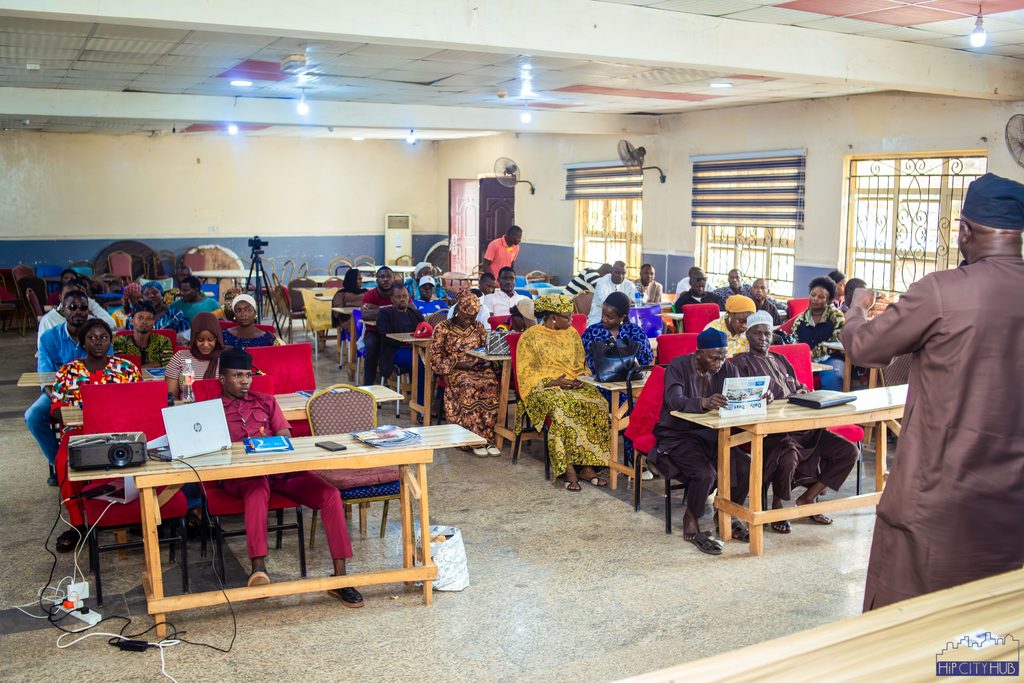
BWARI, ABUJA, 30 September 2026. Residents of Bwari Area Council filled the hall at Elime Top Hotel on Wednesday, 30 September 2026 for a town hall that asked a simple question: what has changed, and what still needs to?
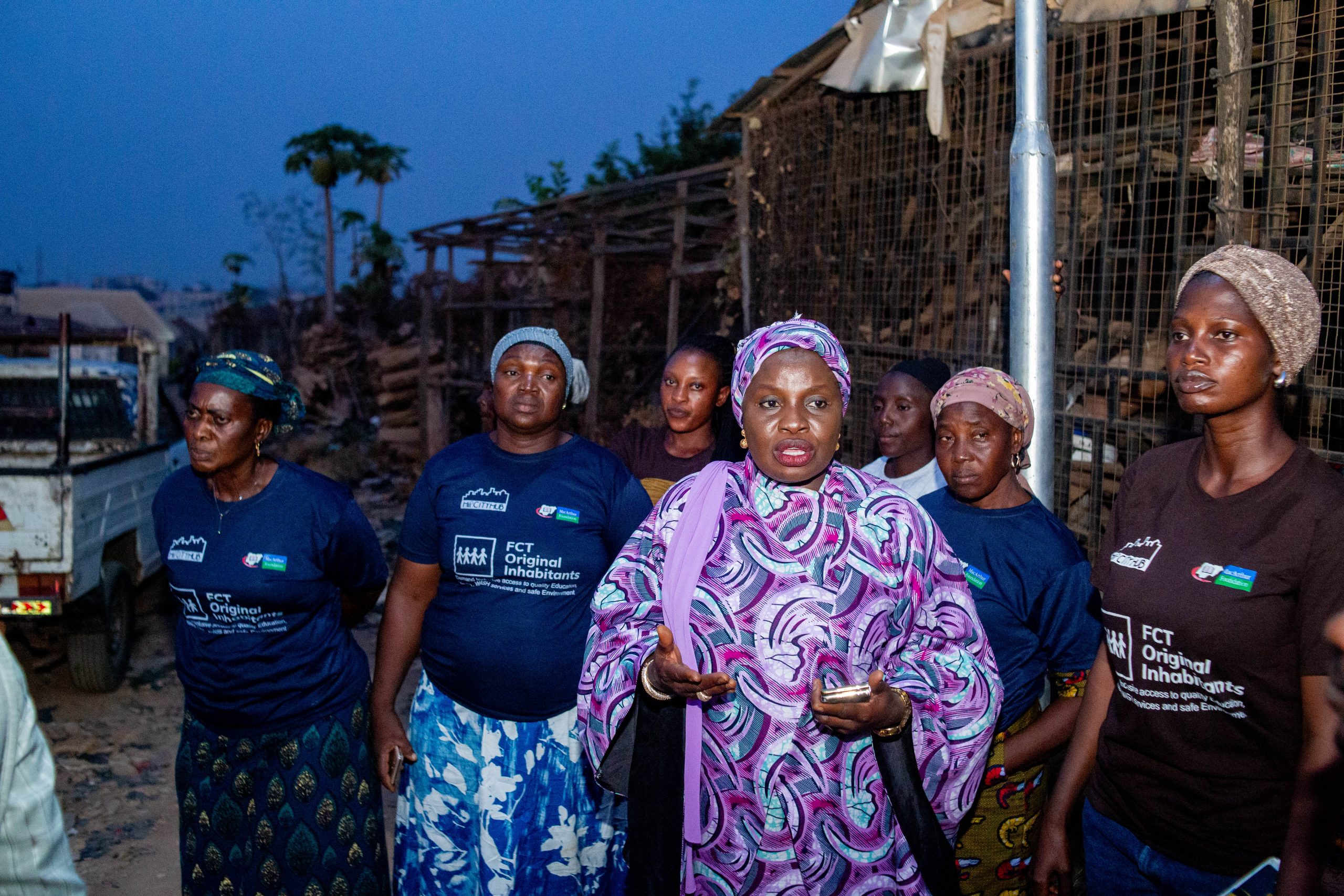
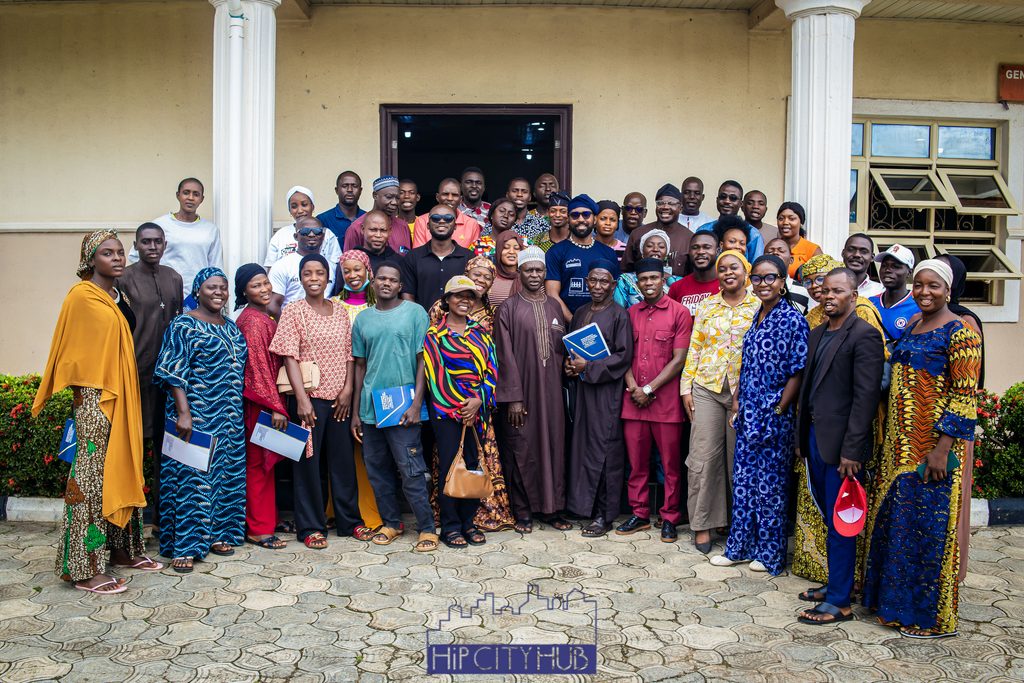
Organised by HipCity Innovation Centre with support from Heinrich Böll Stiftung, the meeting brought together over 50 community members and community monitors trained by HipCity. They came from Shere, Bwari Central, Kawu, Igu, Kubwa, Kuduru, Ushafa and Usuma, among other communities. The focus was the Bwari Area Council Residents’ Charter of Demand on Urban Development, a document built from citizen engagement that began in 2024 across the council’s ten wards.
With the current administration about three months into its term, residents wanted a clear view of progress and gaps. HipCity’s Executive Director, Bassey Bassey, opened the session and moderated the discussion. He explained that citizen monitoring is not meant to victimise or attack anyone, but to build evidence that helps residents and government understand what is being done and where more attention is needed. The meeting was also firmly non-partisan, with participants urged to judge government by results, not party lines.
Then the floor opened, ward by ward. Residents spoke about the following issues.
•Roads: A representative from Kawu said a motorcycle trip to Bwari that once cost about ₦1,500 now costs roughly ₦6,000 because of the state of the road.
•Water: Water scarcity was raised repeatedly, particularly in Ushafa. Participants suggested public taps as a practical interim measure.
•Education: Speakers described damaged classrooms, a shortage of teachers (especially in English and Mathematics) and the need for junior secondary schools closer to remote communities.
•Health: Some primary healthcare centres exist on paper but lack health workers, equipment and medicines.
•Jobs and skills: Youth unemployment drew strong feeling. A graduate electrical engineer described years of searching for stable work, and participants called for a functional skills acquisition centre with the tools to match the training.
•Electricity, security and sanitation: Residents asked for solar streetlights, police stations rather than temporary outposts in remote communities, and better drainage and waste management.
•Inclusion: A speaker called for fair treatment of persons with disabilities in the collection of market levies.
The tone was not only critical. Residents acknowledged reported progress while asking for evidence, wider coverage and attention to communities still waiting.
The Area Council Chairman was not present, as a separate event marking the administration’s 100 days in office was taking place at the Area Council Secretariat at the same time. That event also meant some ward representatives could not attend. As a result, the town hall did not produce direct responses or formal commitments from the Chairman.
HipCity will now consolidate the issues raised into clear messages for the Area Council leadership, request documented responses, verify the concerns through site visits and evidence, and keep tracking the Area Council’s budget process. A follow-up engagement around the budget retreat period was also discussed.
For HipCity, the town hall is another step in the journey “from Charter to Change” that began in 2024 and continued in 2026 with the training of 20 community monitors, two from each ward, community pop-up activities, and ward-level citizen tracking. The Charter is not a souvenir. It is a yardstick, and residents plan to keep using it.
The town hall is part of the Abuja: A City for All project.