Fire safety drills, a push for waste separation and a 90-day challenge came out of Hipcity Innovation Centre’s lab for informal communities.
ABUJA
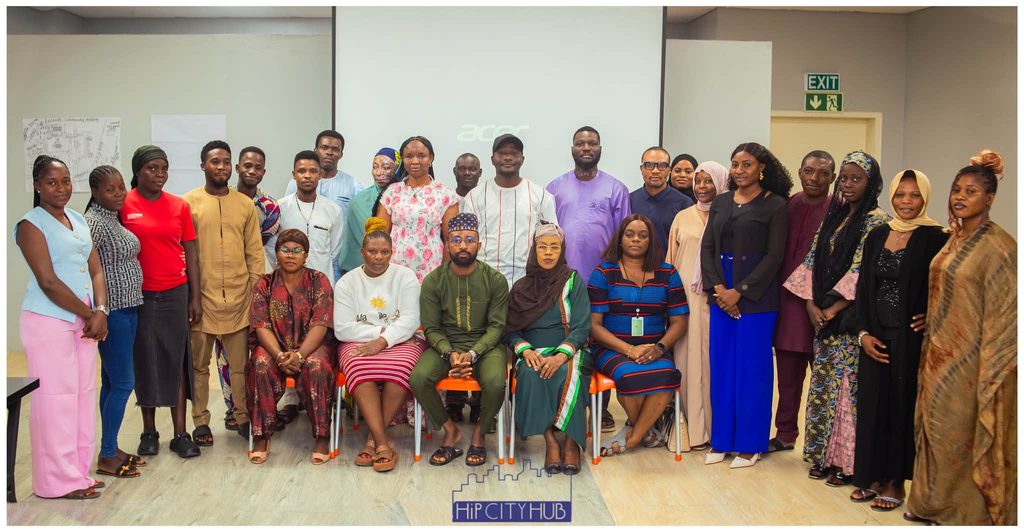
Residents of four informal communities and officials from more than a dozen government agencies spent three days in October working out, side by side, how to make Abuja’s fastest-growing neighbourhoods safer in the face of floods, fire and disease.
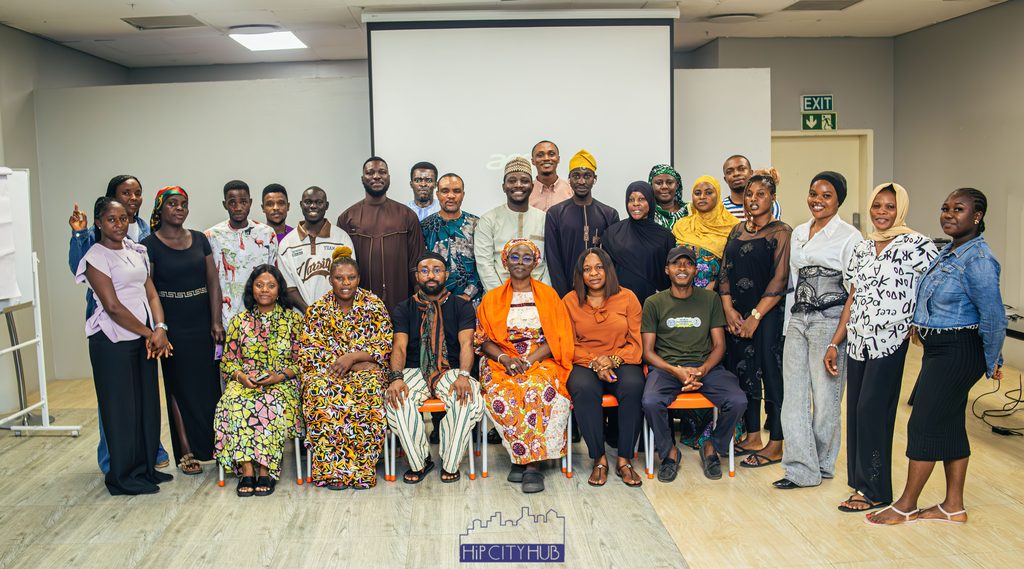
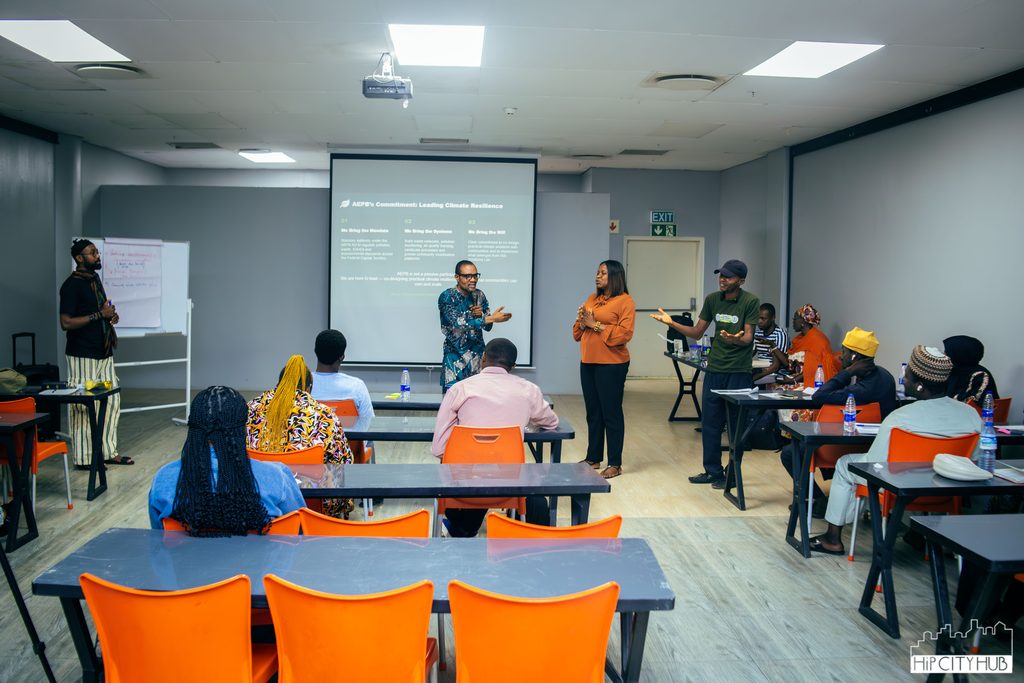
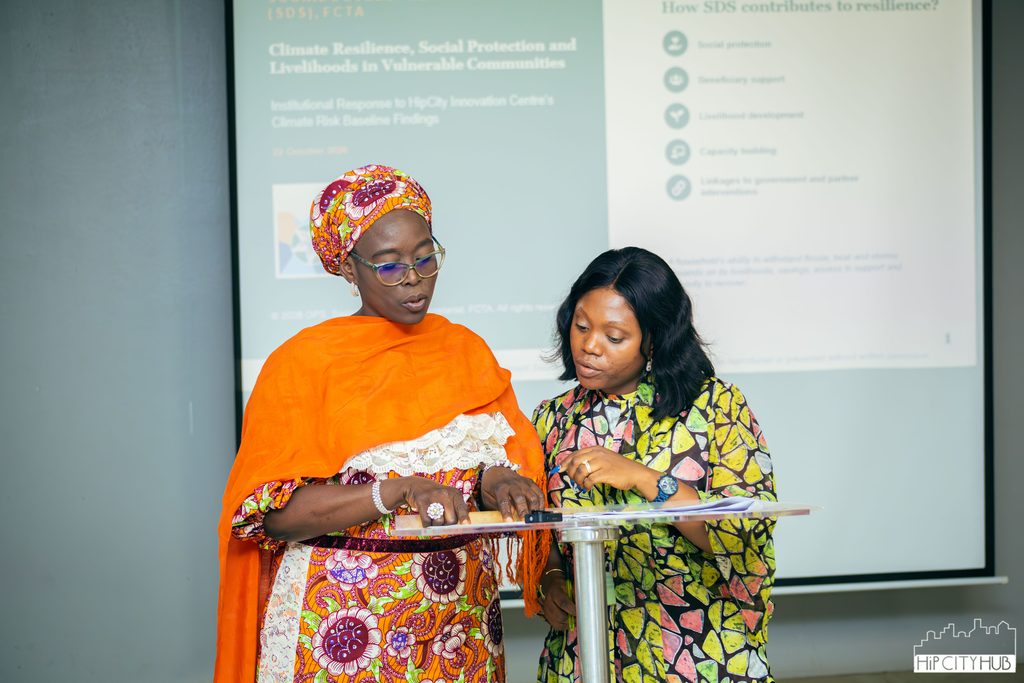
The Abuja Community Climate Resilience Solution Lab, organised by Hipcity Innovation Centre, ran on 15, 20 and 22 October at Novare Mall, Wuse 5. It brought together representatives of Mpape, Katampe, Dutse Alhaji and Dutse pe with agencies including NiMet, NEMA, the FCT Fire Service, the FCT Primary Healthcare Board, the Satellite Towns Development Department (STDD), the Abuja Environmental Protection Board (AEPB), the Abuja Municipal Area Council (AMAC) and the FCT Social Development Secretariat, with academics from the University of Abuja.
Day one: communities set the agenda
The lab opened with findings from Hipcity’s awareness work. Across the four communities, climate knowledge rose from 62% to about 89% after training, with Mpape moving from 64.6% to 94.2%. Residents then described what that knowledge looks like on the ground: flooded roads, fires in tightly packed homes, costly water, malaria and cholera, and a primary healthcare gap in Katampe. Agencies answered with their mandates and their limits. NiMet’s representative told the room that early warning only counts if people act on it.
Day two: fire, health and housing
The second day was practical. FCT Fire Service officers taught residents the classes of fire and the PASS method, and community members tried extinguishers and fire blankets themselves. The Fire Service line was called live from the floor and answered. The Primary Healthcare Board explained what a climate-smart clinic needs, from water and solar power to drainage. Development Control and STDD spoke on setbacks, land use and upgrading informal settlements. Each community took home an assignment: map its fire-prone clusters and propose a change it can make in 90 days.
Day three: waste as a resource
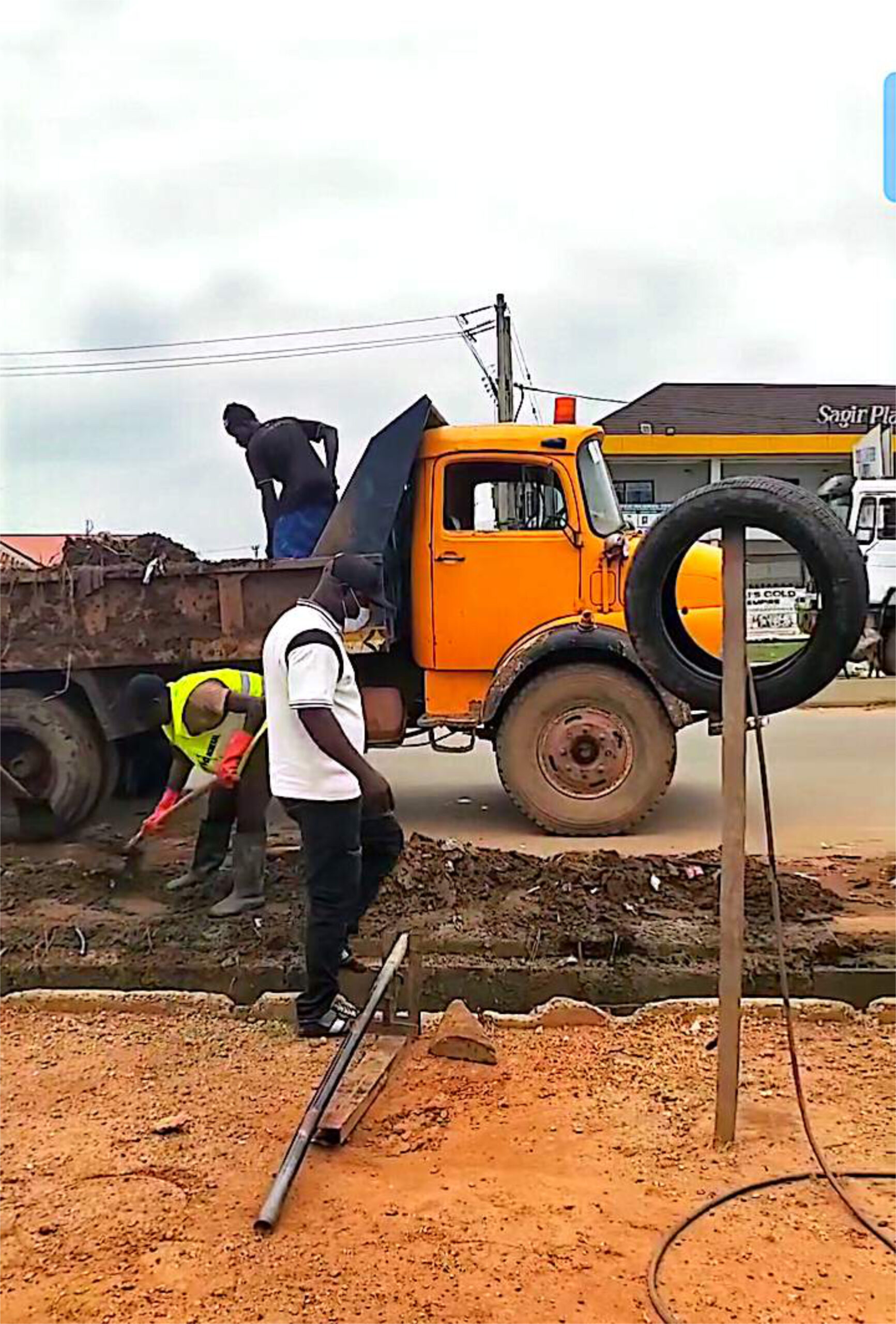
The final day turned to waste and livelihoods. AMAC, STDD and AEPB set out who collects, who disposes and who recycles, and the facilitators pressed them on what happens after collection. AMAC described a push for household separation and for organising informal waste pickers, and pointed to the Chika community, where youth run door-to-door collection, as a model. The Social Development Secretariat presented its livelihood support and the National Social Register.
“Disaster management is everybody’s business,” a NEMA representative told participants on the first day. On the last day, a Hipcity facilitator put the lab’s message to young people: change does not come from outside, it starts from within.