8–9 July, 2026 | AJ’s Hotel, Dutse Alhaji, Bwari Area Council, Abuja
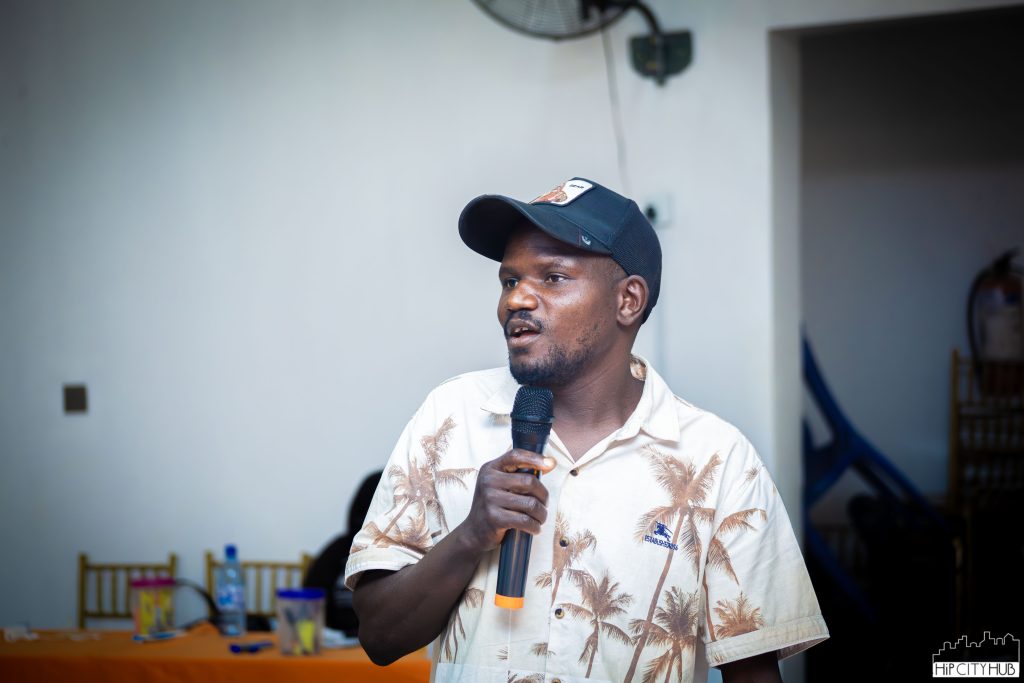
On 8 and 9 July, 2026, HipCity Innovation Centre brought together community and youth leaders from across Bwari Area Council for a two-day training workshop that turned a year of grassroots consultation into a working system of citizen-led accountability. The theme, “From Charter to Change: Empowering Youth Leaders to Track, Advocate and Report on Urban Governance in Bwari Area Council,” captured exactly what the two days set out to do, move residents from documenting their needs to actively tracking whether those needs are being met.
The workshop drew participants from wards across the council, including Kubwa, Ushafa, Kuduru, Usman, Byazhin, Bwari, Mpape, Katampe Dutse and surrounding communities, youth and community leaders, representatives of women’s and men’s groups, persons with disabilities, traditional-institution representatives, and community-based associations, all working alongside HipCity facilitators over two full days, from 9:00 a.m. to 4:00 p.m.

A Charter Born of Listening
To understand why this workshop mattered, it helps to understand where it came from. Between March and July 2025, HipCity Innovation Centre conducted an extensive round of neighbourhood consultations across Bwari, engaging separately with women, men, youth and persons with disabilities to understand each group’s distinct governance priorities, not as a single undifferentiated “community voice,” but as the specific, sometimes very different, needs of people living the same reality in different ways.
Those conversations were compiled into the Bwari Area Council Charter of Demand on City Development, a document that captures residents’ lived priorities on housing, transportation, urbanisation and basic service delivery, and links them to relevant Sustainable Development Goals. Crucially, the Charter was developed and presented to all major political parties contesting the area council election, the Libour Party, ZLP, Party, SDP, APC and PDP, well before the outcome of that election was known. HipCity was deliberate about this sequencing: the goal was never to align with a winner, but to ensure that whoever won would inherit a clear, evidence-based roadmap for what residents actually wanted, and a community already organised to hold them to it.
That roadmap, and the skills to use it, were the subject of this workshop.

Day One: Understanding the Charter and the Governance Landscape
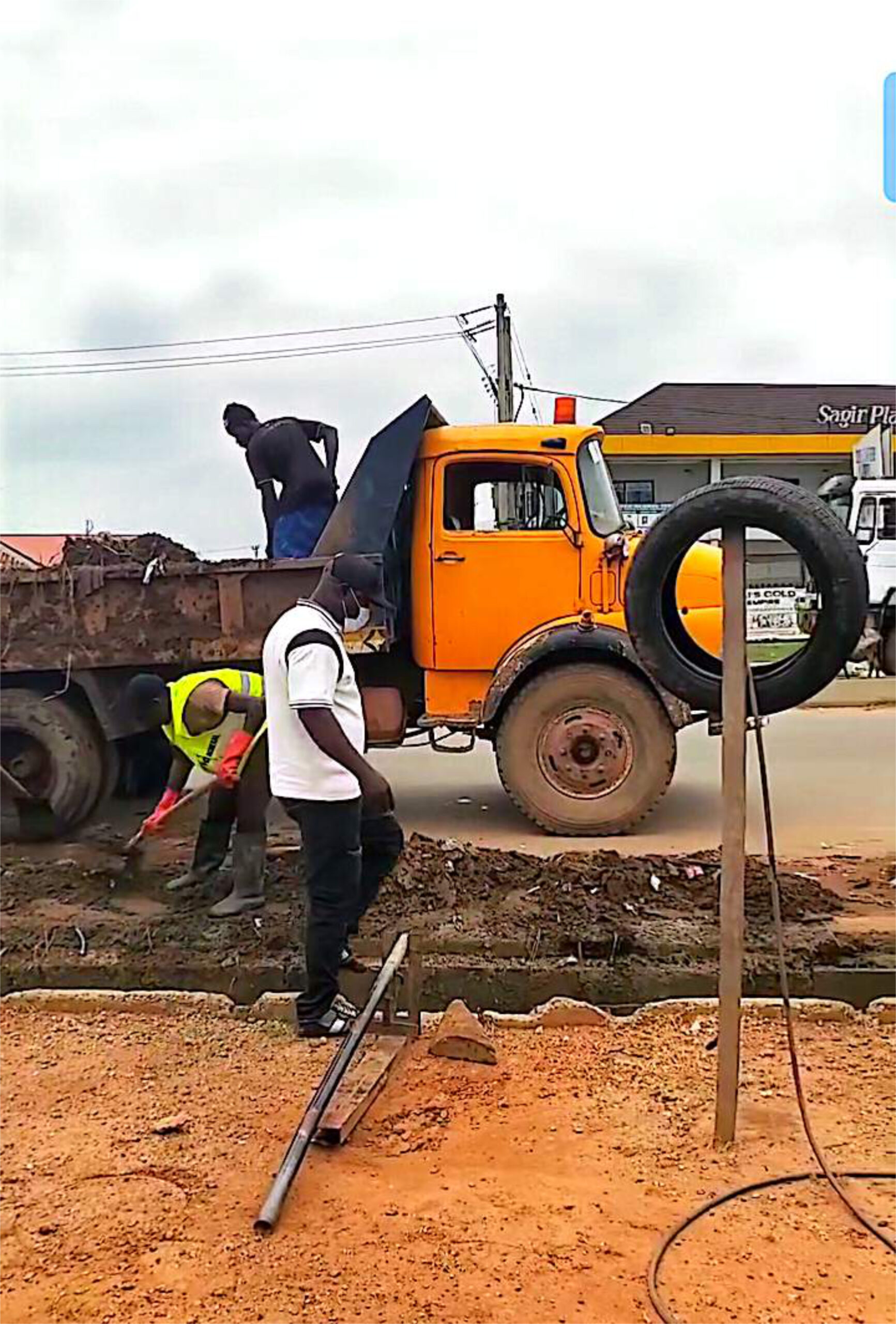
The first day was foundational. Facilitators walked participants through the full content of the Charter, presenting its executive summary and its priority findings sector by sector: high and rising rents alongside largely informal, unplanned housing; heavy dependence on unregulated commercial motorcycles in the absence of structured public transport; poor drainage and inconsistent sanitation services; and a persistent sense among marginalised groups, including persons with disabilities, of being left out of planning and service delivery altogether. Participants also learned that Bwari, officially established as an area council on 1 October 1996, is one of the fastest-growing of the FCT’s six area councils, and reviewed its land-use plan and the relative scarcity of green and recreational space compared to other councils.
From the Charter, the day moved to the machinery of governance itself. Using the now-familiar analogy that one cannot withdraw money from a GTB account at a UBA branch, facilitators explained the three tiers of government and, more specifically, which concerns are the direct responsibility of the area council, drainage, sanitation, primary healthcare, community markets — and which sit with the state or federal government. Participants were reminded that their ward councillor, not the area council chairman, is the correct first point of contact for most local concerns, and were walked through the proper channel for escalating an issue when a councillor cannot resolve it.
The afternoon turned to the discipline of advocacy itself. Facilitators introduced the core formula behind any successful campaign for change, a clear call for change, the voices of many people who share that demand, and credible evidence to back it up, alongside the SMART framework for making that demand specific, measurable, achievable, relevant and time-bound. Participants learned the practical mechanics of sustained advocacy: keeping written records of every petition, retaining acknowledgement copies, referencing prior correspondence in every follow-up, and collaborating with community associations to amplify collective voice. Several participants shared their own experiences of pursuing compensation for farmland acquired for public projects and following up for years on a stalled secondary school, offering the room hard-won, real-world proof that persistence, properly documented, eventually moves even the slowest bureaucracies.
The day closed with an introduction to power mapping: a structured way of identifying who holds real decision-making authority over an issue, who has influence without formal power, who stands to gain from change, and who might resist it, and why. Working through the example of a dangerous, poorly marked road, participants practised identifying primary targets, allies, opponents and influencers, learning that even opponents are rarely simply “bad actors”, more often, they are individuals balancing competing priorities and limited resources, and understanding their position is often the fastest route to reducing their resistance.

Day Two: Tracking Performance and Reporting for Change
If Day One was about understanding the terrain, Day Two was about equipping participants to measure movement across it. The second day introduced the practical monitoring toolkit that Bwari’s community leaders will now use going forward: the community scorecard, the citizen report card, and at the centre of the day HipCity’s own Citizen Project Tracking Card.
Facilitators walked participants through each instrument. Scorecards rate the quality of a specific service or completed project on a simple five-point scale, opening a direct, two-way conversation between residents and duty-bearers. Citizen report cards go further, aggregating individual experiences from across a community into a single, comparable picture of service quality, useful both for tracking change in one ward over time and for comparing outcomes between different wards. Participants were also introduced to the complementary data-gathering methods behind these tools: surveys for reaching many people quickly, interviews for in-depth individual understanding, and focus group discussions for surfacing shared community experience, disagreement included.
A significant portion of the day was devoted to the discipline of evidence itself. Facilitators were unambiguous: claims should be checked against official documents wherever possible, photographic and video evidence should be treated with the same seriousness as evidence presented in a courtroom, and that evidence should be stored securely, using free cloud storage from Google, Microsoft or Apple accounts, so that a lost or damaged phone never means lost proof. Monitors were cautioned to keep their evidence unaltered and honest, and to maintain organised, separate records of photographs, interviews and written reports. Good record-keeping, participants were told repeatedly, is the foundation of credible accountability work.

At the heart of the day was the Citizen Project Tracking Card itself, a monthly monitoring form built directly around the four pillars of the Bwari Charter of Demand: housing, transportation, urbanisation and basic service delivery. Each ward’s designated monitors learned to record their observations project by project, whether a housing layout has been approved, a borehole rehabilitated, a classroom furnished, a councillor’s town hall meeting held, marking each as not started, ongoing or completed, and closing with a scorecard section rating everything from road quality and streetlight coverage to the responsiveness of their councillor and chairman, and the inclusiveness of local programmes for youth, women and persons with disabilities. Facilitators were firm on one point above all others: this is a tool for observation and documentation, not confrontation. Monitors are asked to record what they see, note anything requiring escalation in the comments section, and leave direct engagement with contractors or officials to the appropriate channel, with HipCity Innovation Centre carrying verified findings forward into advocacy.

The day’s most memorable moments came directly from participants. One community youth leader described a six-year standoff over a water project: presented repeatedly with an end-user certificate to sign off on a completed borehole scheme, he refused, because the government had substituted the concrete reservoir the community had actually requested with an overhead tank that could not sustain a reliable water supply. Despite pressure, and even an informal attempt to have him removed from the matter, he held his ground. The project remains uncommissioned today, exactly because his community refused to certify work that would not serve them. Another leader described bringing in an independent geologist to verify a contractor’s claimed water-table depth before a borehole project could proceed — catching, in advance, a project that would otherwise have failed the community it was meant to serve.
The workshop closed with participants working in ward groups to map their own communities’ most pressing needs, and then practising the tracking card live, ward by ward, presenting their scores and reasoning to the full room. The exercise surfaced a striking pattern: water shortages, poor roads, absent or unreliable electrification, understaffed health centres, and under-resourced schools were raised, in one form or another, by nearly every ward represented, confirming that these are not isolated local grievances but shared, council-wide priorities that the Charter and the tracking process are well positioned to address together.

What Comes Next
By the close of the second day, Bwari Area Council had something it had not had before: a trained network of citizen monitors, spread across its wards, equipped with a shared vocabulary for governance, a validated Charter of community demands, and a simple, evidence-based tool to track their new administration’s performance against it, month by month, project by project.
HipCity Innovation Centre will now begin receiving monthly tracking submissions from participating wards, consolidating findings across the council, and using that evidence to sustain advocacy engagement with Bwari Area Council leadership on behalf of the residents who took part.
The workshop’s underlying message, repeated in different ways across both days, was simple: governance is not something that happens to communities, it is something communities are entitled, and equipped, to shape. From Charter to Change was designed to make that shift practical, sustainable and, above all, owned by the people of Bwari themselves.
HipCity Innovation Centre has worked across the Federal Capital Territory for close to a decade, supporting communities to engage local governance structures through evidence-based advocacy, civic education and inclusive planning.