World Environment Day 2026 arrives at a time when climate change is no longer a distant environmental concern. Across cities and communities around the world, its effects are becoming part of daily life. Rising temperatures, more intense rainfall, flooding, environmental degradation, water stress, and growing pressure on urban infrastructure are reshaping how people live, work, and plan for the future.
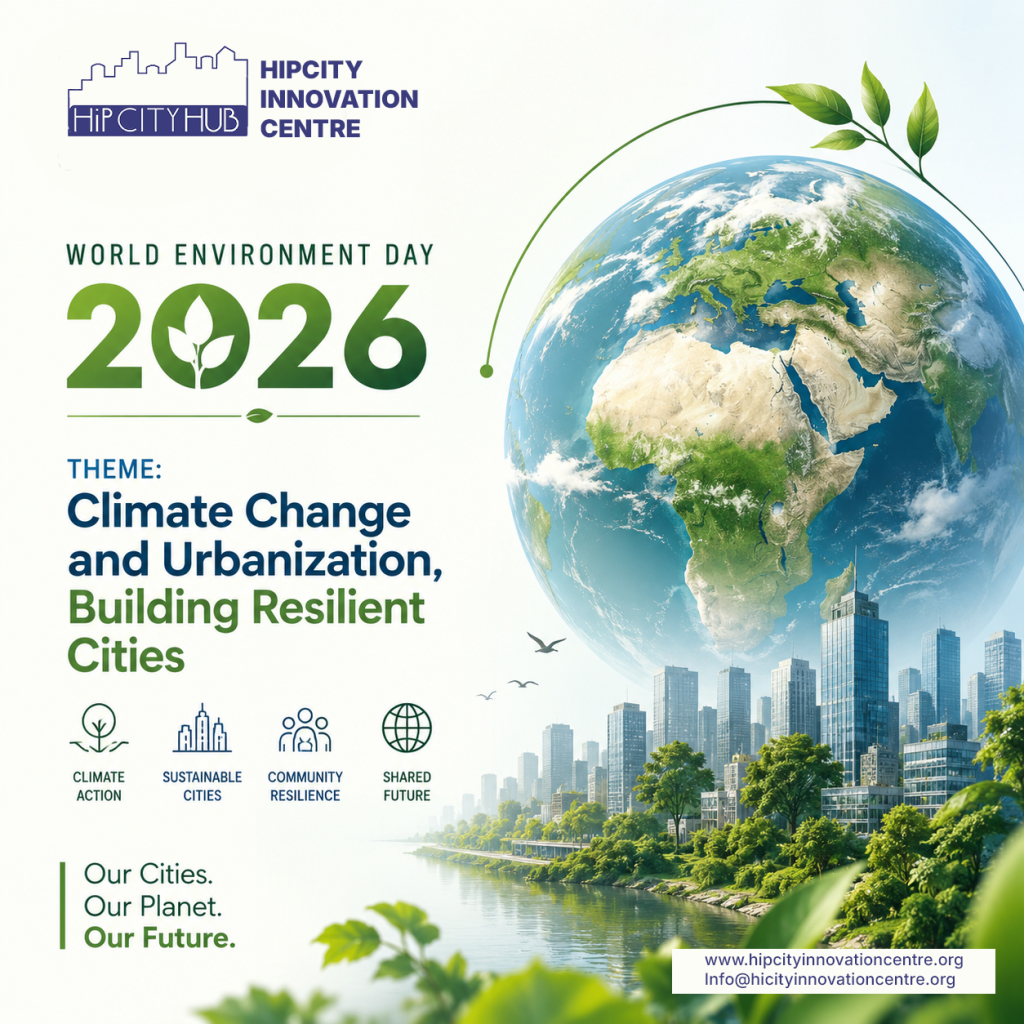
This year’s World Environment Day theme, “Climate Change and Urbanization: Building Resilient Cities,” speaks directly to one of the defining challenges of our time. As cities expand, the need to ensure that urban growth is inclusive, sustainable, and resilient has never been more urgent.
For many residents of Abuja’s informal settlements, this challenge is not theoretical. It is lived reality.
In communities such as Mpape, Katampe, Dutse-Pe, and Dutse Alhaji, residents regularly confront environmental risks that threaten livelihoods, housing, health, and economic stability. Heavy rainfall can quickly turn roads into rivers. Poor drainage systems increase flood risks. Rising temperatures create health concerns, particularly for vulnerable populations. Waste management challenges continue to affect environmental quality, while rapid urban growth places additional pressure on already stretched infrastructure.
Yet amid these challenges, another story is emerging.
It is a story of community knowledge, local leadership, youth participation, and collective action.
Over the past months, HipCity Innovation Centre, with support from MISEREOR, an Ally for a Just World, has been working alongside residents of Abuja’s unplanned settlements through the project, Addressing Climate Risk and Adaptation Measures in Abuja’s Unplanned Settlements.
The project is founded on a simple but powerful belief: communities that experience climate risks every day must be at the centre of designing solutions.
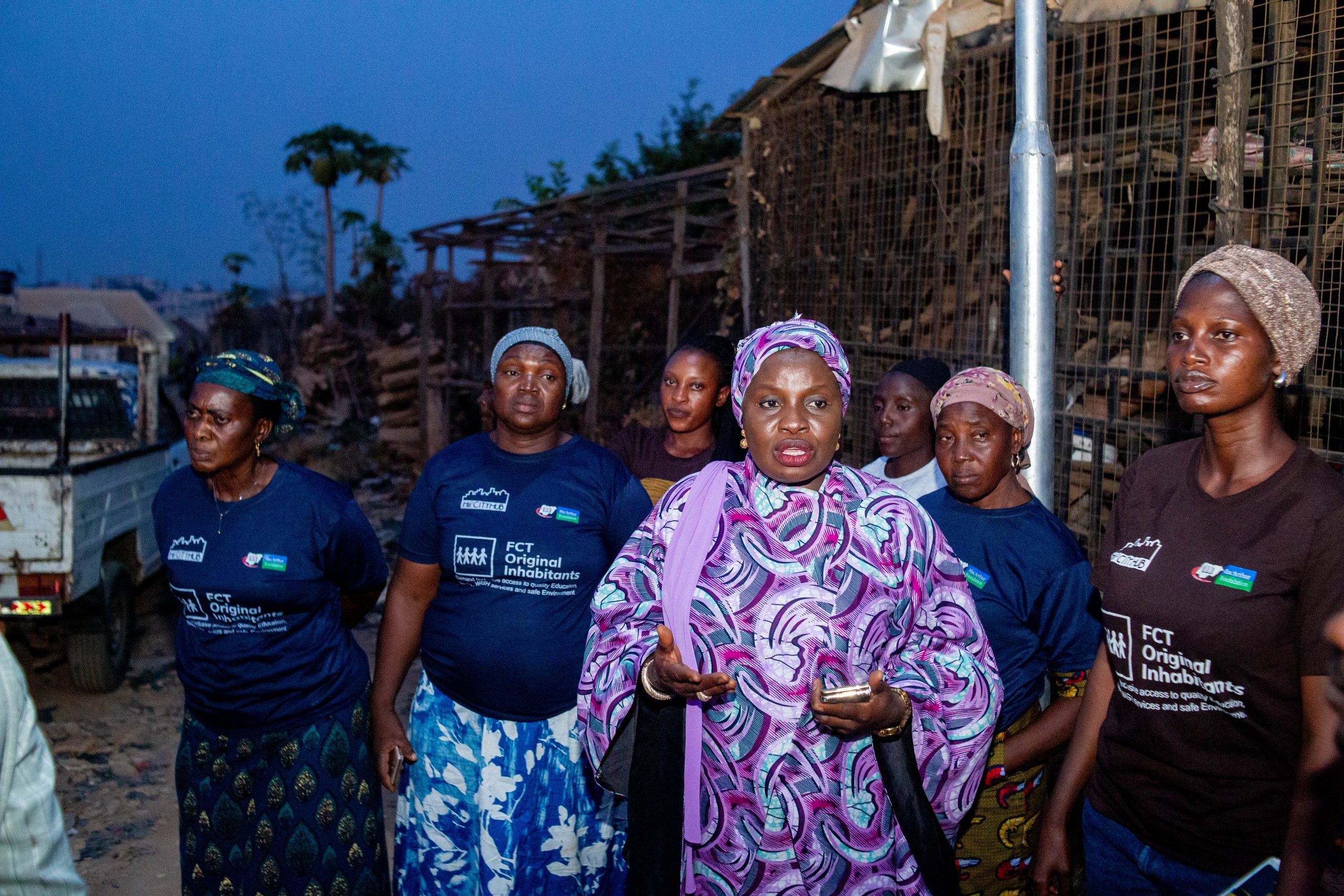
Between February and May 2026, HipCity Innovation Centre engaged approximately 500+ residents across Mpape, Katampe, Dutse-Pe, and Dutse Alhaji through climate awareness sessions, adaptation trainings, Focus Group Discussions, Key Informant Interviews, community vulnerability mapping exercises, and knowledge assessments.
The objective was not merely to inform people about climate change. It was to create spaces where communities could examine their realities, identify risks, understand their rights, and begin shaping pathways towards resilience.
Listening Before Acting
Across the four communities, the project began with a simple question: what do residents already know about climate change, and how is it affecting their lives?
Pre-training assessments revealed that while many participants were already experiencing the impacts of climate change, there was often limited understanding of the broader causes, patterns, and adaptation strategies associated with those experiences.
Residents spoke about flooding that seemed to worsen each year. They described extreme heat, damaged roads, blocked drainage systems, declining agricultural yields, water shortages, and environmental hazards affecting daily life.
Many could clearly identify the challenges. What was often missing was the connection between those challenges and wider climate and governance issues.
Through participatory training sessions, residents explored concepts such as climate change, climate justice, adaptation, mitigation, environmental governance, disaster preparedness, and community resilience.
The conversations quickly moved beyond theory.
Community members mapped vulnerable areas within their neighbourhoods. They identified locations prone to flooding, erosion, heat stress, poor drainage, and waste accumulation. They discussed practical adaptation measures that could be implemented at household and community levels. They examined the role of public institutions and the importance of citizen participation in addressing environmental challenges.
The result was a significant shift in awareness.
Findings from post-training assessments showed measurable improvements in participants’ understanding of climate change, local risks, and adaptation strategies. More importantly, residents demonstrated a stronger ability to connect environmental challenges to governance, planning, and community action.
From Awareness to Ownership
One of the most powerful lessons emerging from the project is that resilience cannot be imposed from outside.
Communities understand their vulnerabilities better than anyone else.
In Dutse Alhaji, residents discussed recurring flooding, fire outbreaks, and heat stress affecting homes and livelihoods. In Dutse-Pe, participants highlighted flooding, declining crop productivity, and environmental health concerns. In Mpape and Katampe, residents identified similar risks while proposing practical measures ranging from improved drainage maintenance to community-based preparedness systems.
These discussions did more than generate information.
They created ownership.
Residents were not treated as beneficiaries receiving information. They became active contributors to diagnosing challenges and identifying solutions.
This approach reflects a growing body of evidence from organisations such as UN-Habitat and the United Nations Environment Programme, which emphasise that sustainable urban resilience depends on meaningful community participation.
The people who experience climate risks daily possess valuable knowledge that must inform planning and decision-making.
Building the Next Generation of Climate Storytellers
As climate risks continue to evolve, so too must the ways communities communicate their realities.
Recognising this, HipCity Innovation Centre recently concluded a three-day youth capacity-building workshop titled Our Cities, Our Voices: Youth Storytelling for Urban Justice and Climate Action.
Bringing together young people from Mpape, Katampe, Dutse-Pe, and Dutse Alhaji, the workshop explored the intersection of climate action, governance, civic participation, media, and storytelling.
Participants were introduced to climate literacy concepts, including climate justice, environmental governance, urban planning, and urban vulnerability.
They explored how decisions about housing, infrastructure, waste management, and public services influence environmental outcomes. The workshop also challenged participants to rethink their role within their communities.
Young people were encouraged to see themselves not merely as observers of environmental challenges, but as active citizens capable of shaping public conversations and influencing decision-making processes.
One of the most practical components of the training focused on climate storytelling and digital advocacy. Using smartphones and basic digital tools, participants learned how to document environmental issues, conduct interviews, capture photographs and videos, develop compelling narratives, and share community experiences responsibly through digital platforms. Sessions on mobile journalism, ethical storytelling, photography, social media advocacy, and responsible reporting provided participants with practical skills to amplify community voices.
In an era where a single image or short video can influence public discourse, these skills are increasingly important. When young people document blocked drainage channels, flooding incidents, illegal waste disposal, environmental degradation, or successful community initiatives, they create evidence. They create visibility. They create opportunities for dialogue and accountability. Most importantly, they help ensure that communities tell their own stories.
The Importance of Community Voices
Across Africa, cities continue to grow at unprecedented rates. The World Bank and UN-Habitat have repeatedly highlighted the challenges associated with rapid urbanisation, particularly in informal settlements where infrastructure often struggles to keep pace with population growth.
Climate change compounds these challenges.
Flooding, heat stress, environmental degradation, and infrastructure deficits disproportionately affect low-income urban communities. Yet these same communities frequently have limited opportunities to participate in planning processes that affect their futures.
This is why community voices matter.
Resilience is not only about physical infrastructure. It is also about social infrastructure.
It is about informed citizens.
It is about organised communities.
It is about access to information.
It is about participation.
It is about ensuring that those most affected by environmental risks have opportunities to influence decisions that shape their lives.
The experiences emerging from Mpape, Katampe, Dutse-Pe, and Dutse Alhaji demonstrate that climate adaptation becomes more effective when communities are empowered with knowledge and platforms for engagement.
A Shared Responsibility
Building resilient cities requires collaboration.
Communities cannot do it alone.
Government institutions, urban planners, development partners, civil society organisations, researchers, and the private sector all have important roles to play. At the same time, lasting solutions cannot emerge without community ownership and participation.
The journey towards climate resilience is not a single intervention. It is an ongoing process of learning, adaptation, collaboration, and action.
As HipCity Innovation Centre reflects on World Environment Day 2026, there is reason for optimism. Across Abuja’s unplanned settlements, residents are demonstrating that resilience begins with awareness, grows through participation, and strengthens through collective action.
Young people are becoming storytellers, advocates, and community leaders.
Residents are identifying risks, proposing solutions, and engaging with issues that affect their futures.
Communities are moving from vulnerability towards resilience.
This year’s World Environment Day theme reminds us that resilient cities are not built solely through concrete, steel, or policy documents.
They are built through people.
They are built through participation.
They are built when communities find their voice and use it.In Mpape, Katampe, Dutse-Pe, and Dutse Alhaji, those voices are growing stronger every day.