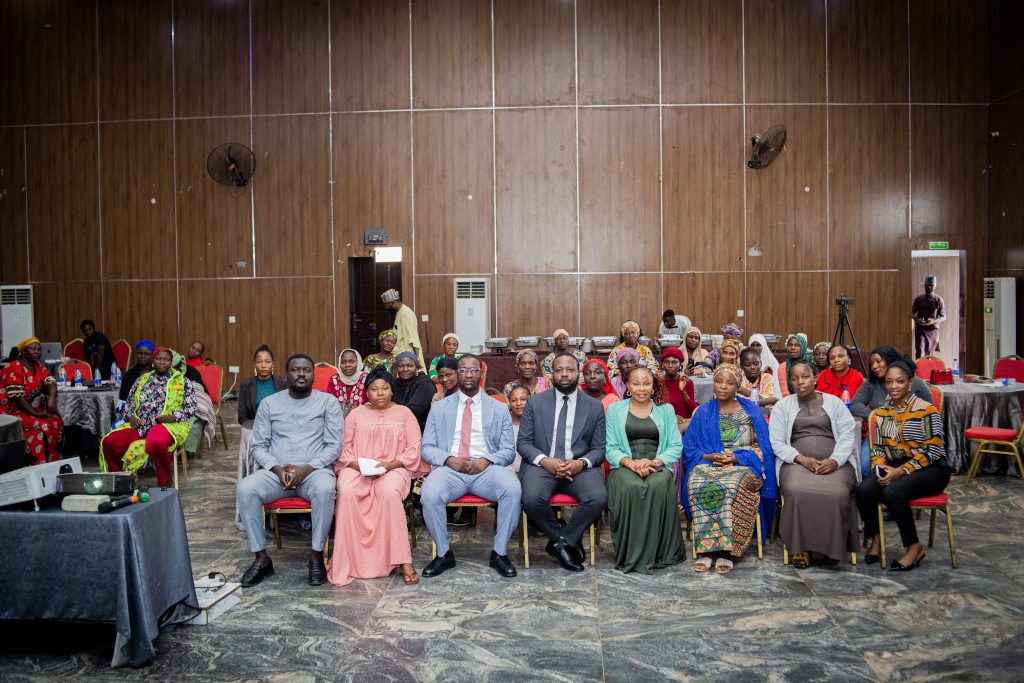
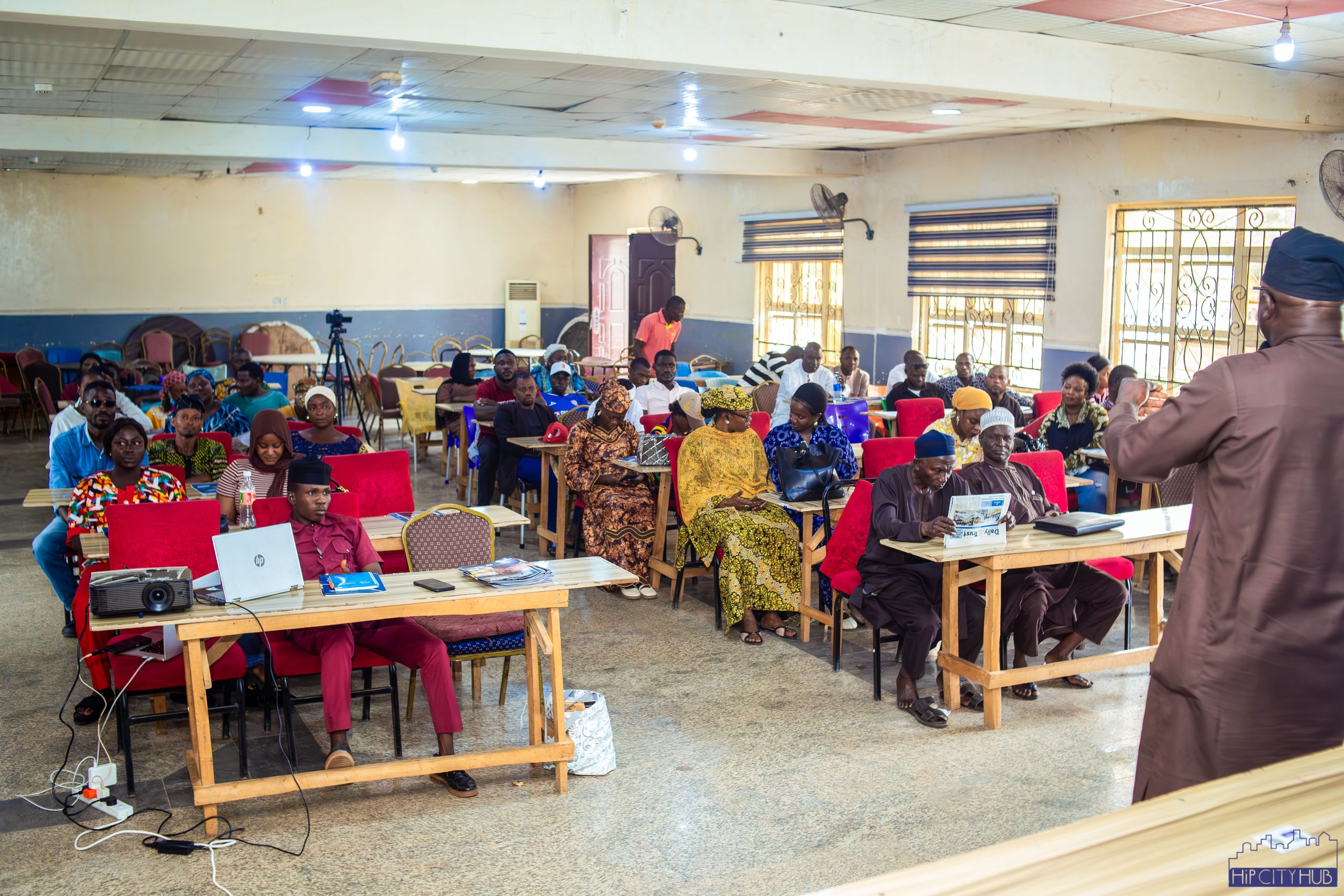
For years, the women who hold Abuja’s informal communities together, raising children, running small businesses, organising their neighbours, have largely been invisible to the institutions that finance homeownership in Nigeria. On 17 June, HipCity Innovation Centre set out to change that, convening the Women Housing and Finance Dialogue at the DE Silver Green Luxury Hotel in Gudu.
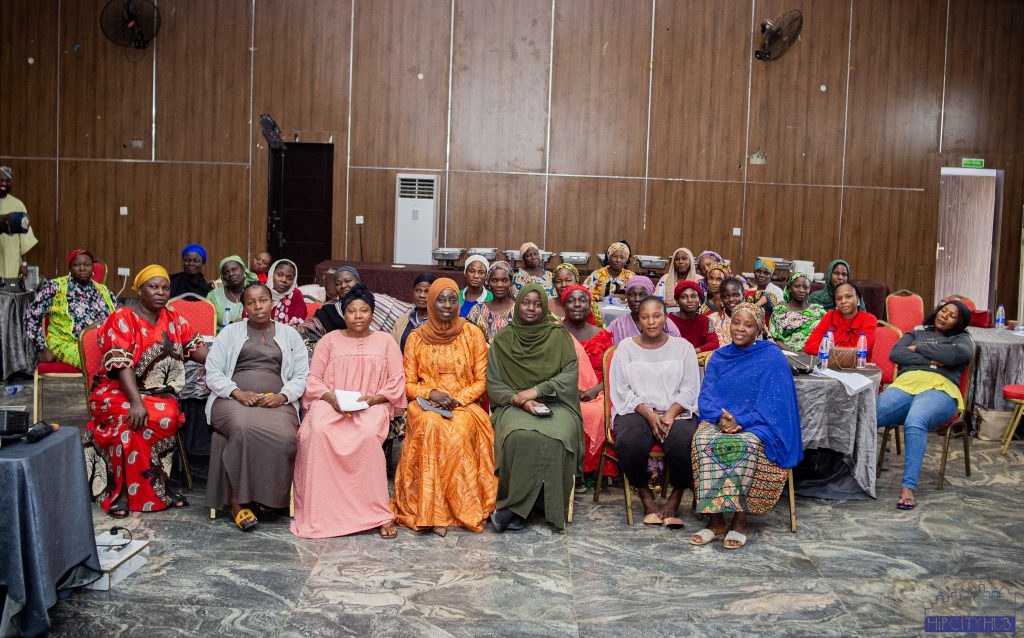
This wasn’t a one-off awareness session. It was the latest step in work HipCity has been doing since 2022, training women in leadership, introducing them to the Abuja Master Plan, and helping them move from scattered community groups into a single, legally registered body: the Abuja Women Urban Coalition. On 17 June, that Coalition sat across the table from the institutions that actually control housing finance in Nigeria.
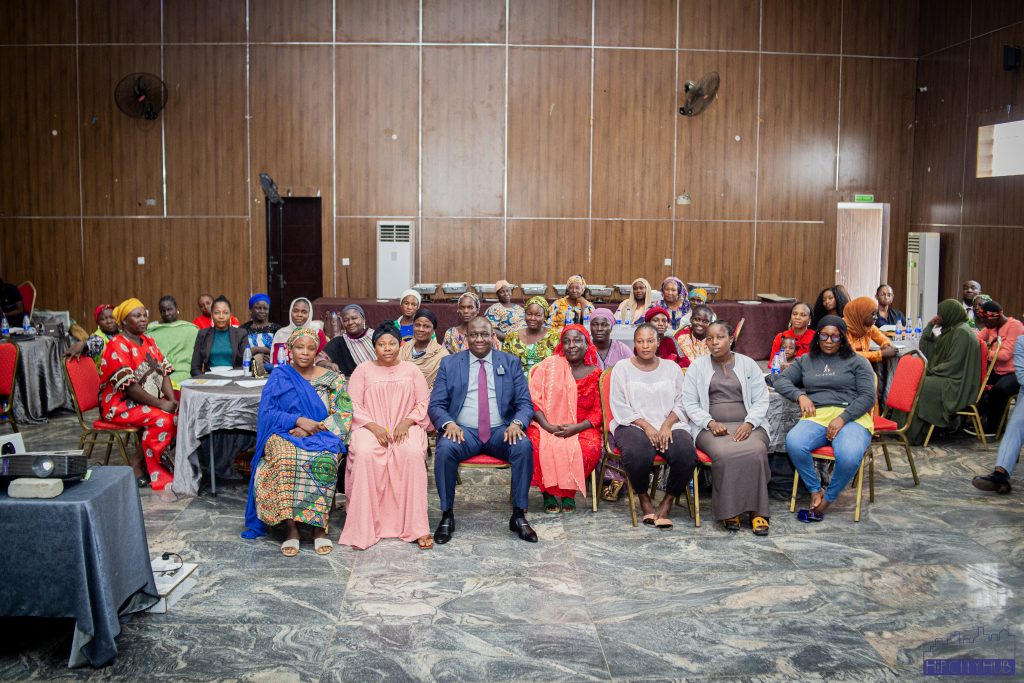
Executive Director Mr Bassey Bassey didn’t dress up the stakes. Informal communities in Abuja keep facing eviction and demolition, he said, and most government housing schemes are built around people in the formal sector, leaving women running informal businesses largely unaware that some of these services even apply to them. The goal of the day was blunt: not another talk shop, but a working relationship that, within a year or two, puts real keys in real women’s hands.
The numbers set the scene. Women make up roughly 49% of Abuja’s population and dominate many of its informal settlements, with over 60% of residents in the most precarious urban zones being women. Annual rent runs from around ₦1.5 million in Nyanya to ₦7.5 million in Maitama. Men hold more than 85% of formal land titles in the city. And many women running informal businesses don’t even have a bank account, a gap HipCity’s own fieldwork has been quietly closing by simply requiring digital payment for transport during community engagements.
Then came the institutions, one after another, with specifics.
John Olughemi of the Millard Fuller Foundation walked the room through the brutal arithmetic of Abuja’s housing market, a Mararaba two-bedroom that sold for ₦5 million in 2020 now costs ₦26 million, largely because a new flyover bridge transformed the area’s accessibility. But he balanced that with proof that cooperative housing works: over 1,100 units delivered in Mararaba, seven of twenty units in one recent project owned by women-led households, and a clear three-step playbook for joining a cooperative and building a savings record.
The Federal Mortgage Bank of Nigeria, represented by General Manager Ibrahim Al-Fatah, laid out single-digit interest products, the Cooperative Housing Development Loan, the Home Renovation Loan, and two new products in the pipeline, a rent payment loan and an informal-sector renovation loan. The Ministry of Finance Incorporated Real Estate Investment Fund’s Mujahid Usman detailed a fixed 9.75% mortgage rate over twenty years, backed by ₦129 billion already disbursed across 1,871 mortgages in its first year of operation. Family Homes Funds Limited spoke to its social housing work in Kaduna, Cross River, and Oyo, and confirmed an FCT programme is genuinely under consideration. FHA Mortgage Bank set out its profiling and developer-linkage model for cooperatives and individuals alike.
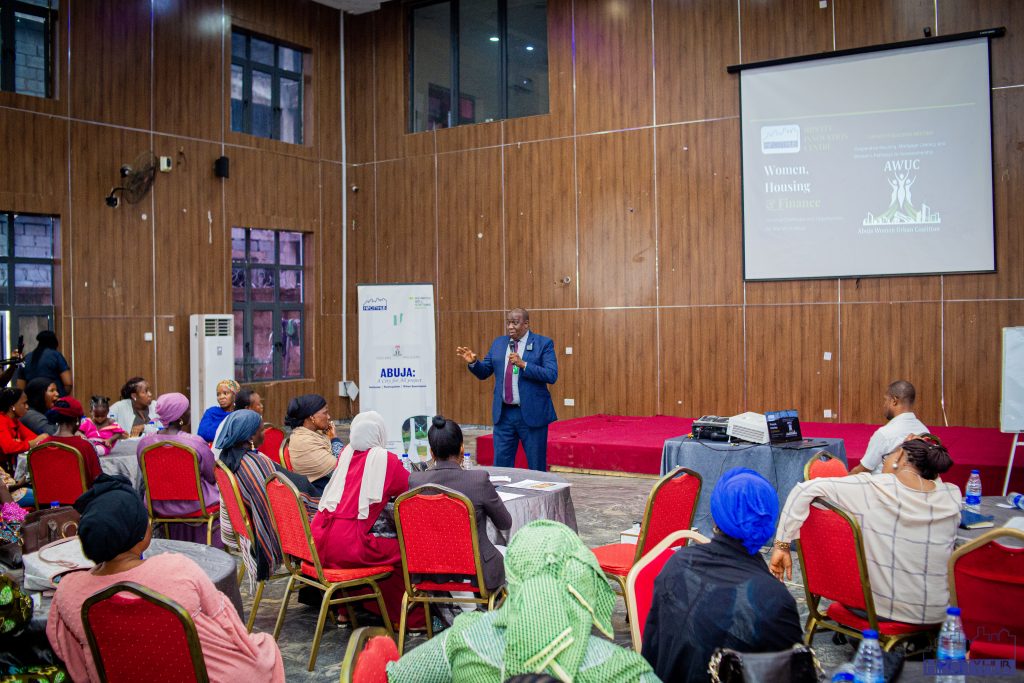
What made the day different was what happened next. Coalition leadership didn’t just say thank you and take notes. They asked, directly, whether these institutions would commit to walking the Coalition through the qualification process over the long haul, even if it took a year or two, rather than leaving them to navigate alone. MREIF said yes, on record. FMBN, already in contact with the Coalition through existing registration, reaffirmed its support. FHFL committed to following up with detail on mortgage access and the FCT housing prospect.
One sobering note from the floor: a participant described individuals falsely posing as Federal Mortgage Bank staff attempting to collect fees from women in an IDP camp, an incident that has already involved police. Every institution present used the moment to reinforce a simple rule: deal only with official branches, never with intermediaries.
This dialogue produced something HipCity Innovation Centre intends to hold every partner accountable to: named commitments, not vague goodwill. The real measure of success won’t be written in this report. It will be written in deeds.