Abuja, 3 November 2026.
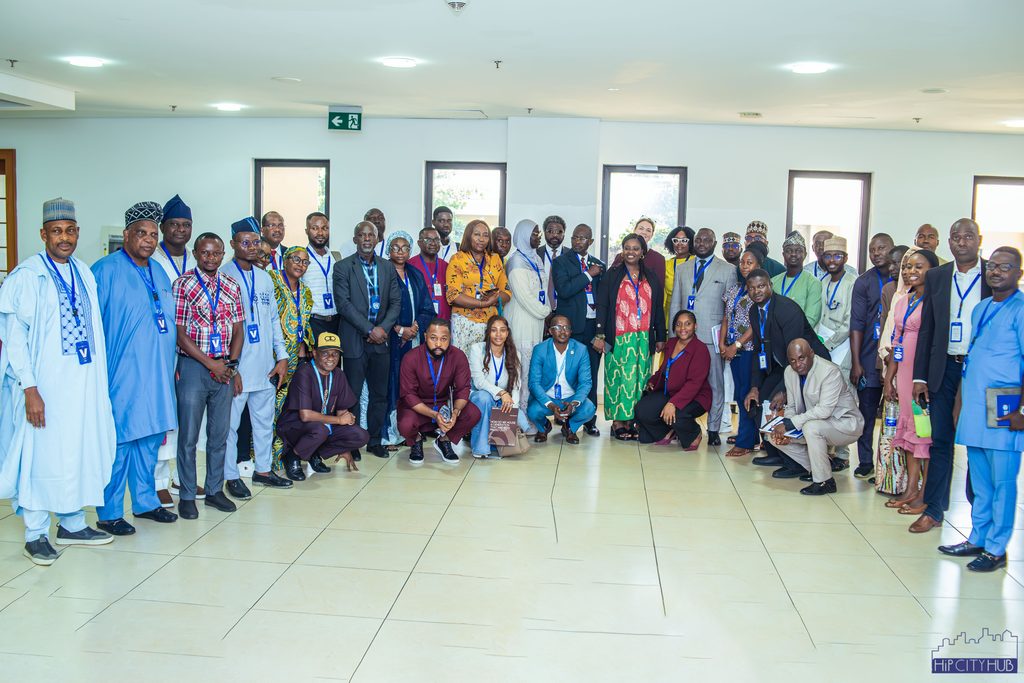
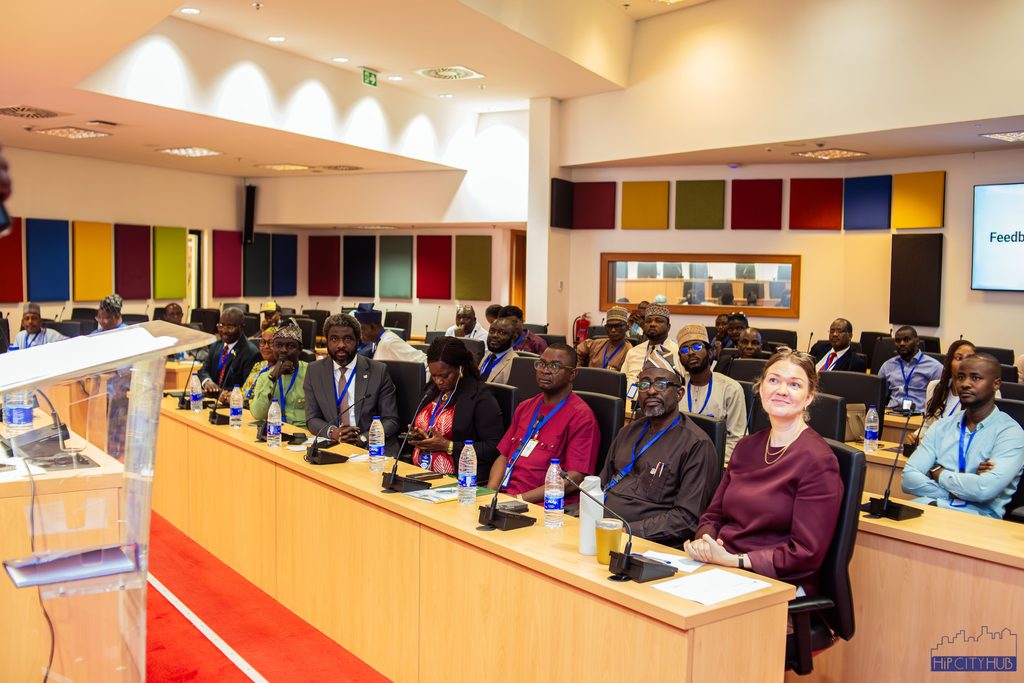
UN-Habitat and HipCity Innovation Centre have convened the first Nigeria Urban Dialogues at the UN House in Abuja, bringing together over 90 stakeholders from government, professionals, communities and civil society to ask a plain question: what does adequate housing for all mean in Nigeria, and who must do what to achieve it?
The dialogue, held as part of Urban October 2026, used Abuja as a case study. Participants included representatives of Ministries, Departments and Agencies, an Area Council, NGOs and CSOs, academia, professional bodies such as REDAN, NITP, NARTO and the Nigerian Institute of Estate Surveyors and Valuers, traditional rulers etc.
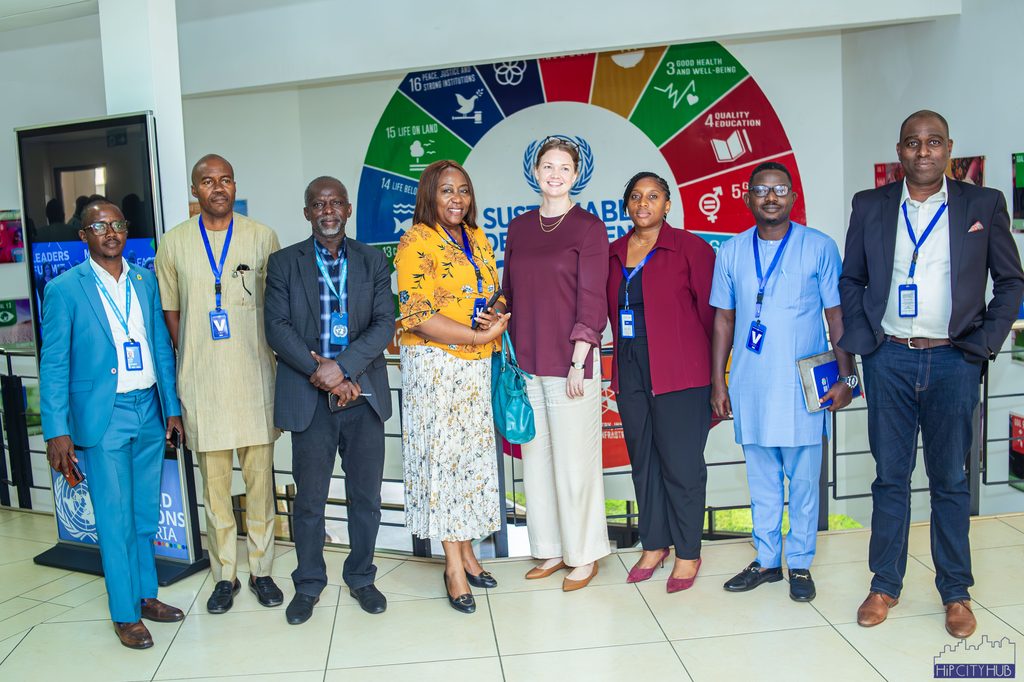
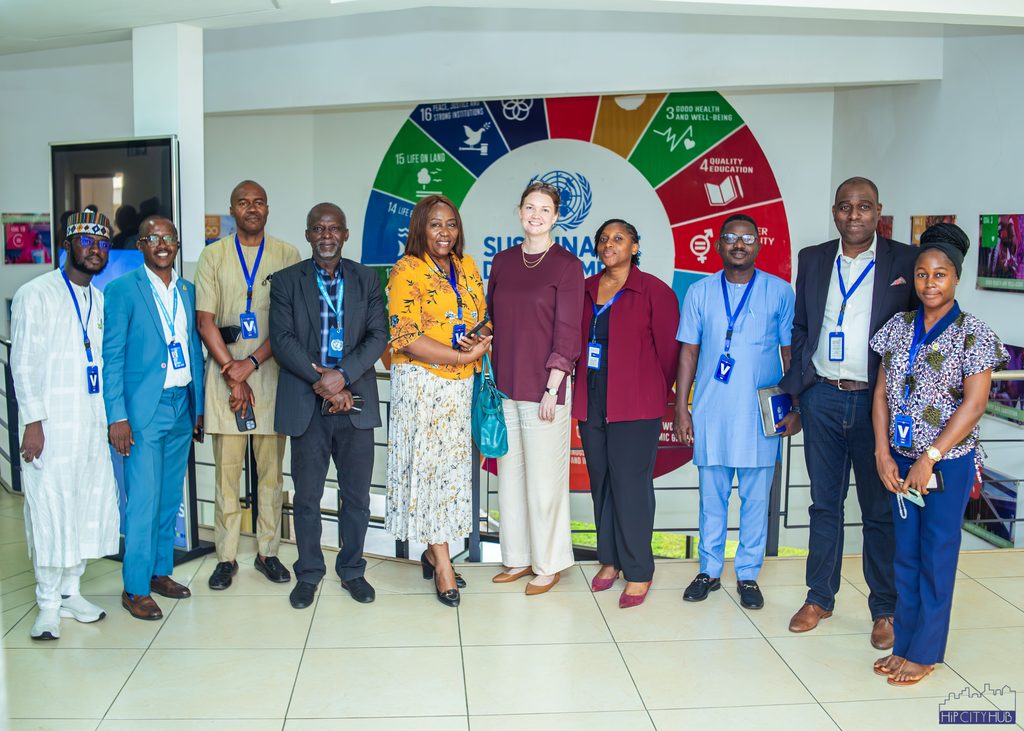
Opening the technical session, Niina Rinne, Head of the UN-Habitat Country Office in Nigeria, set out the seven dimensions of adequate housing and argued that housing, land, planning, infrastructure and finance must be addressed together. She proposed a homegrown community of practice that would meet two or three times a year in a light, participatory and solution-oriented format.
Bassey Bassey, Executive Director of HipCity Innovation Centre, set the scene with the realities of Abuja’s rental market: about 60 per cent of residents rent, many spend 50 to 70 per cent of their income on rent against a global benchmark of 30 per cent, rents have been rising by around 18 per cent a year, and agency, caution and service charges add further strain. He urged policymakers to give rental housing the same attention as home ownership, and called on stakeholders to push for timely action on the housing bill now before the National Assembly.
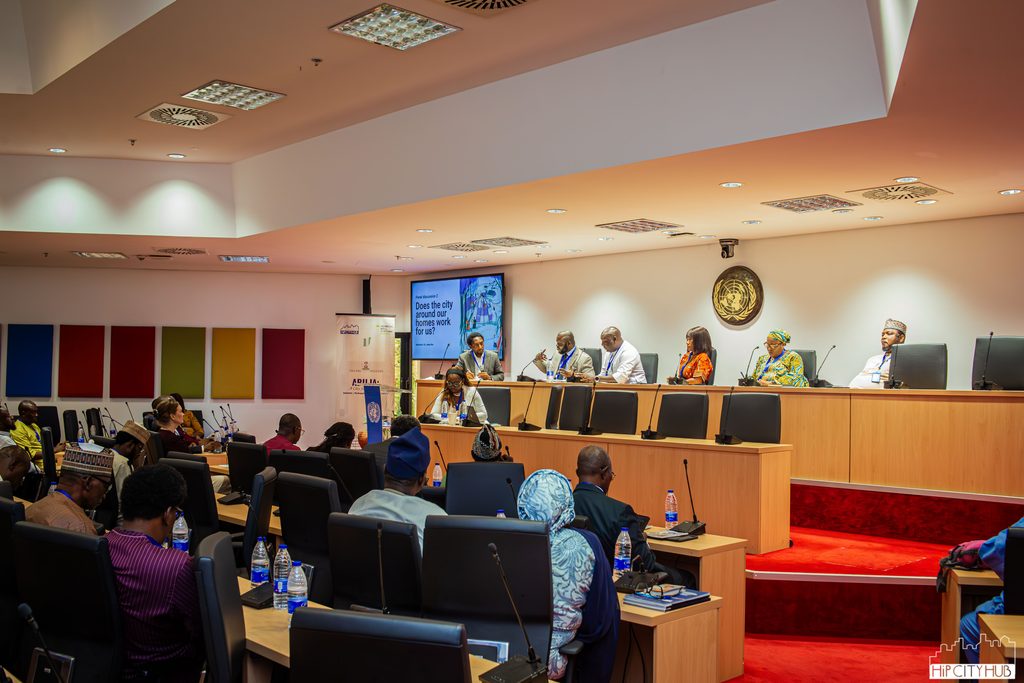
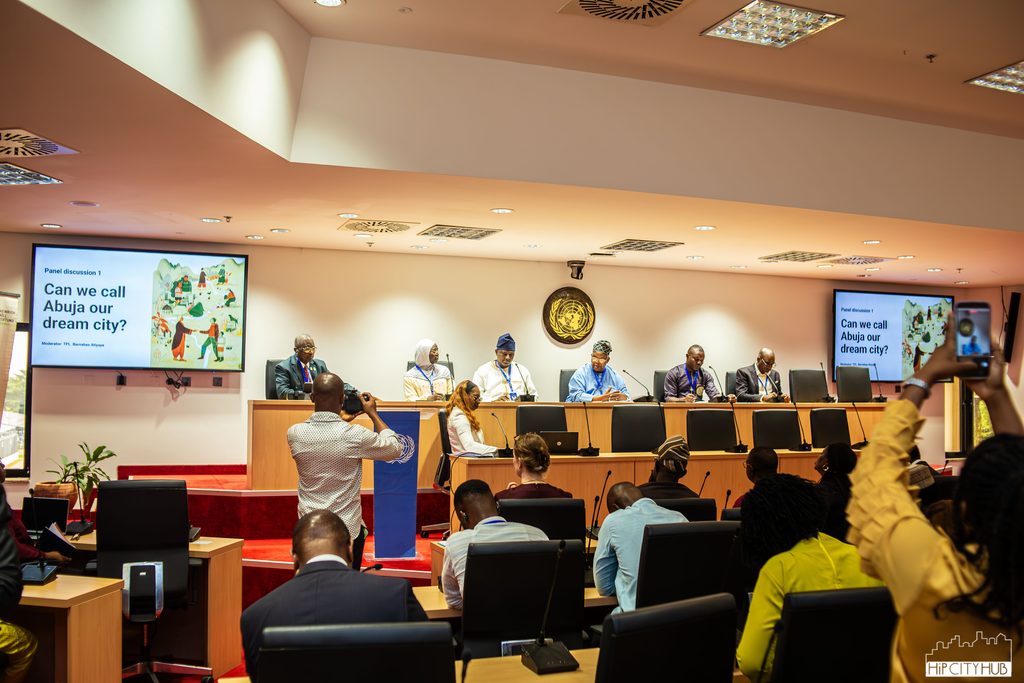
Two panels followed. The first, moderated by TPL. Barnabas Atiyaye under the title “Can we call Abuja our dream city?”, explored land, affordability and the limits of an ageing master plan, and heard from an indigenous community leader about the pressure that restricted expansion places on families and livelihoods. The second, moderated by Dr Jesse Nor under the title “Does the city around our homes work for us?”, asked whether the city is working for the people who live in it, and brought out sharp differences between planned districts and unplanned settlements, as well as a lively debate on how to extend services to areas that grew without a layout.
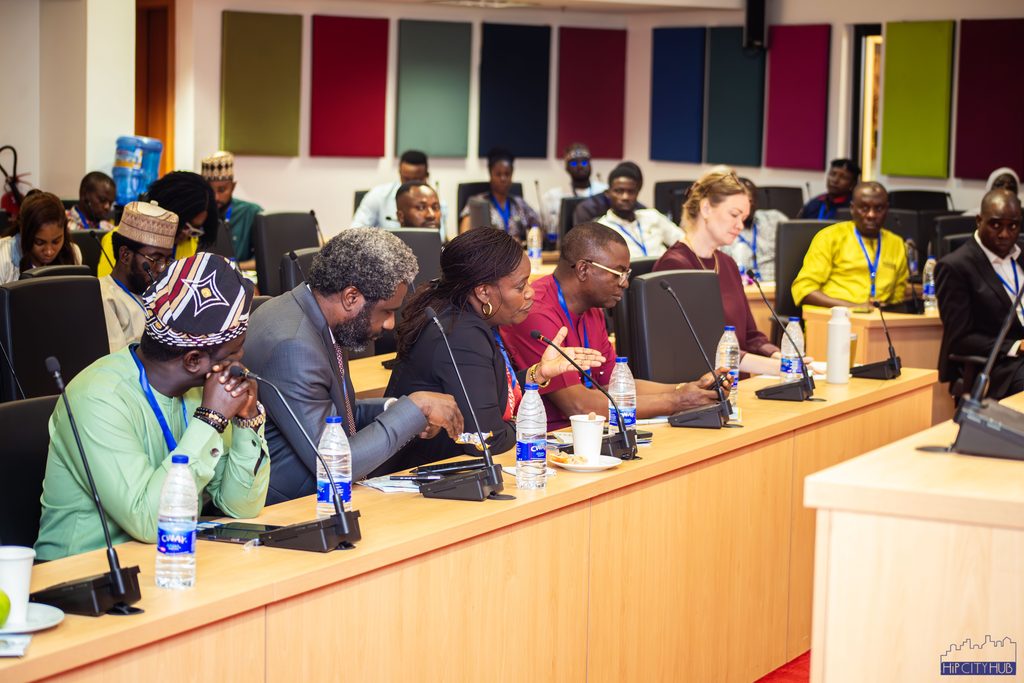
In an open session, participants offered practical ideas, from local production of building materials and light rail to humane treatment of informal traders and better monitoring of land allocation. There was strong support for institutionalising the dialogues, growing the membership to include more indigenous communities and partners, and contributing to the ongoing review of the Abuja master plan in an advisory capacity.