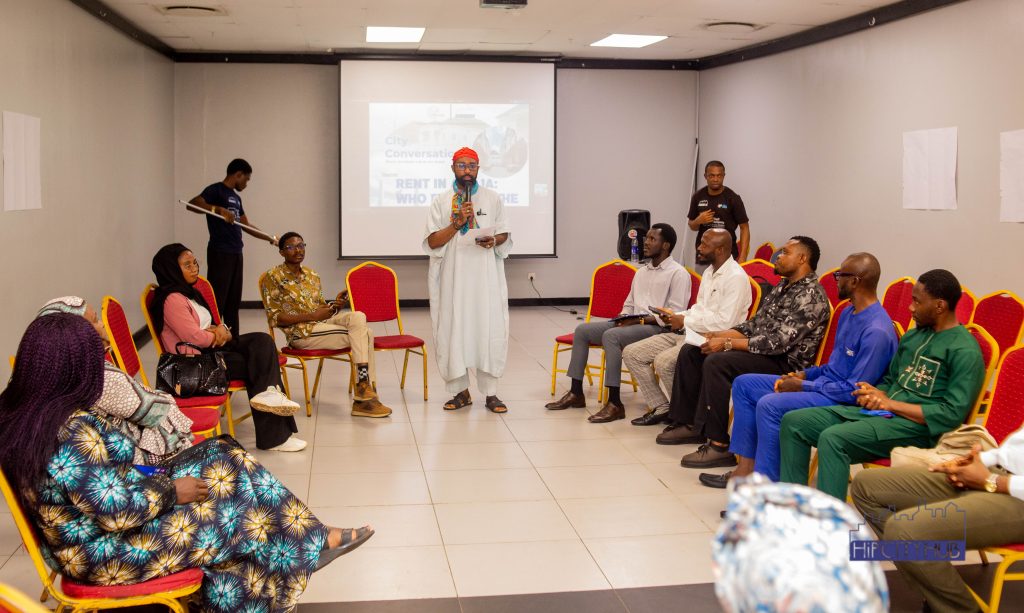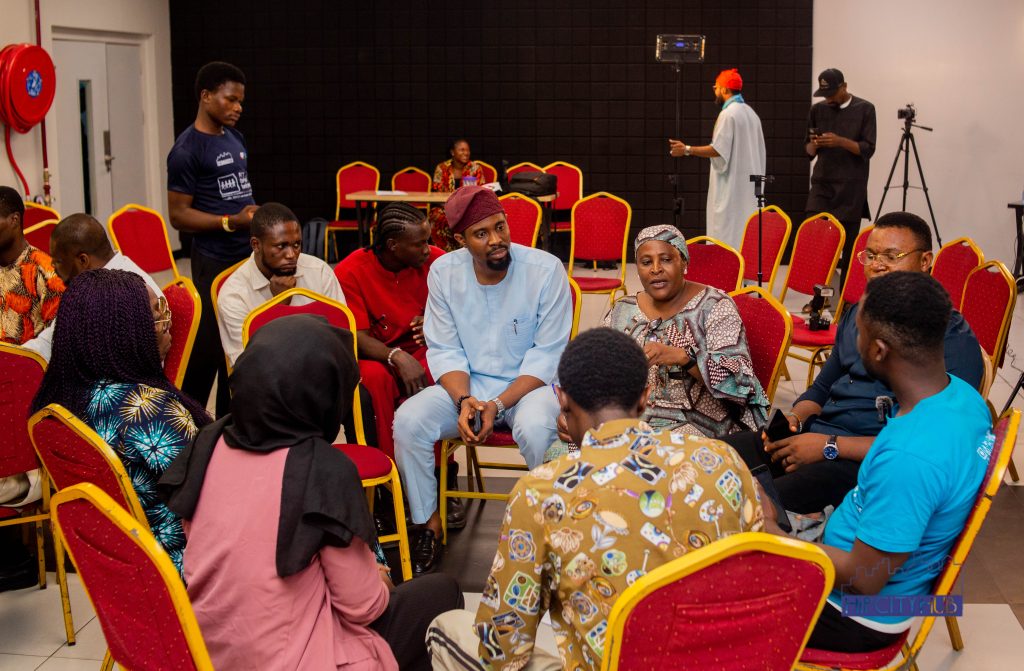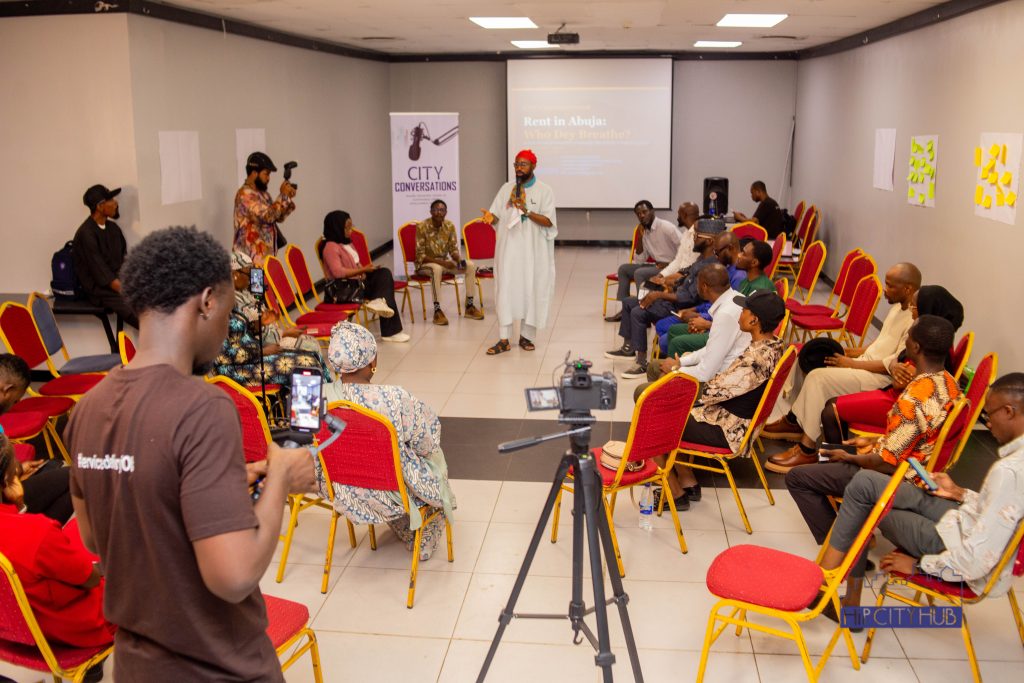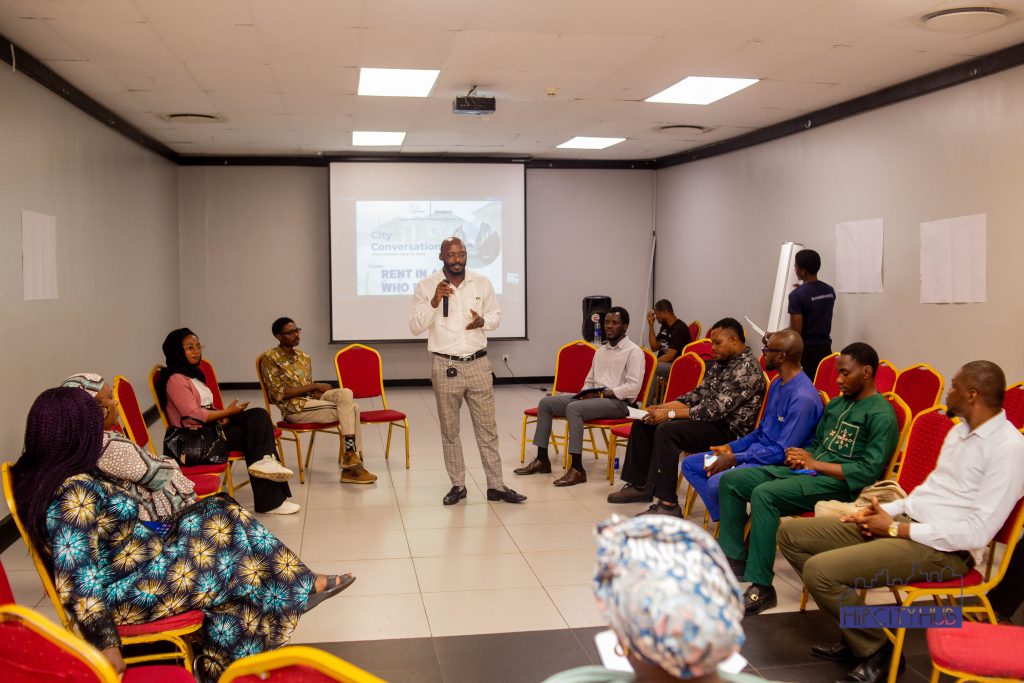
On 30 April 2026, residents from across Abuja gathered at Novare Central Mall for the first edition of City Conversations, a platform designed to bring people together to discuss everyday urban challenges and work towards practical solutions.
The focus of this first session was rent.
The conversation opened with a documentary highlighting the current state of housing in the Federal Capital Territory. It captured what many residents already know: rent is becoming increasingly difficult to manage, and affordable housing remains out of reach for a large number of people.
Participants were then engaged in a housing pulse check. This interactive session revealed a mix of experiences. While a few long-term residents living in their own homes reported fewer direct challenges, the majority of tenants described significant pressure tied to rent payments.
A key moment in the session was the introduction of a rent calculator tool. The tool helps individuals understand how much of their income is spent on rent, using the 30% benchmark as a guide. One participant’s demonstration showed her rent exceeding this threshold, reflecting a common reality for many in the city.
As the discussion deepened, residents shared personal stories. These included sudden rent increases after property improvements, poor service delivery despite high charges, and cases where tenants had to fix basic infrastructure themselves. In some instances, these challenges led to relocation and disruptions to livelihoods.
Breakout sessions allowed participants to examine the issue more closely. Common challenges identified included the gap between income and housing costs, inflexible payment structures, and weak enforcement of tenancy regulations. Participants also pointed to broader causes such as population growth, rising construction costs, and limited government involvement in housing provision.
Suggested solutions focused on the need for stronger tenancy laws, more flexible rent payment options, and increased access to affordable housing. There was also a call for better urban planning and transport systems to make living outside central areas more viable.
City Conversations is designed to continue beyond this first session. The goal is not only to document these issues but to keep working with residents and stakeholders towards solutions that can be implemented over time.
The discussion on rent has started. What comes next will depend on how these conversations are sustained and translated into action.