Lighting the Path: How Women in Durumi 3 Are Powering Safety, Livelihoods, and Leadership
In many informal urban communities in Abuja, Nigeria- nightfall brings uncertainty and uneasiness. Reduced visibility limits movement, constrains livelihoods, and heightens safety risks—particularly for women and children. In Durumi 3, a vibrant but underserved community in the heart of Abuja, this challenge had long been part of daily life. From the months of October through December last year (2025), that narrative began to change.
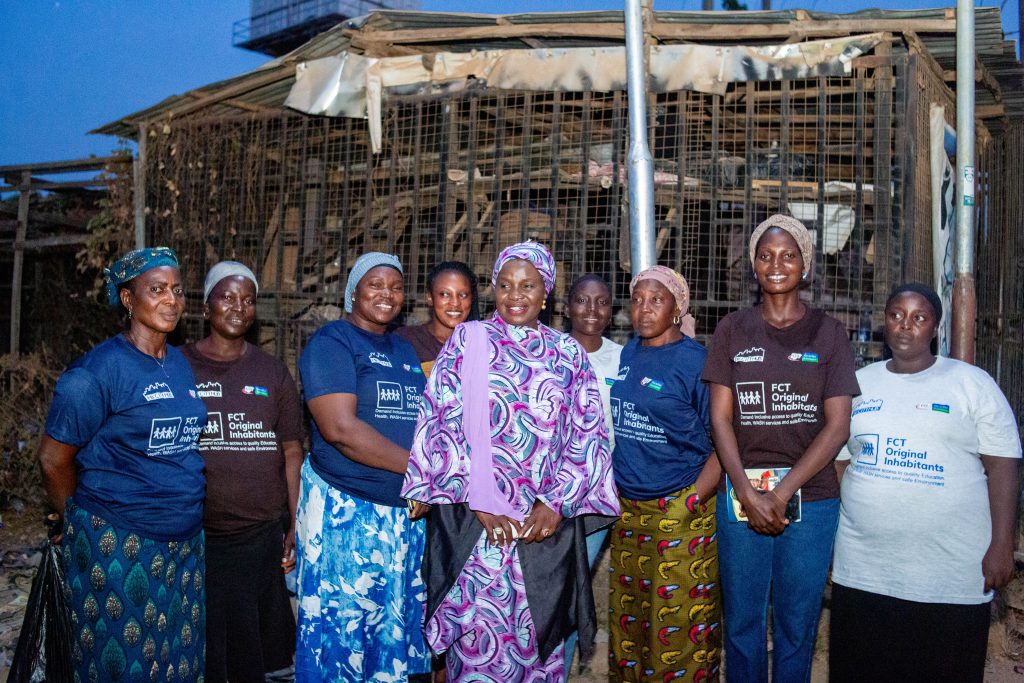
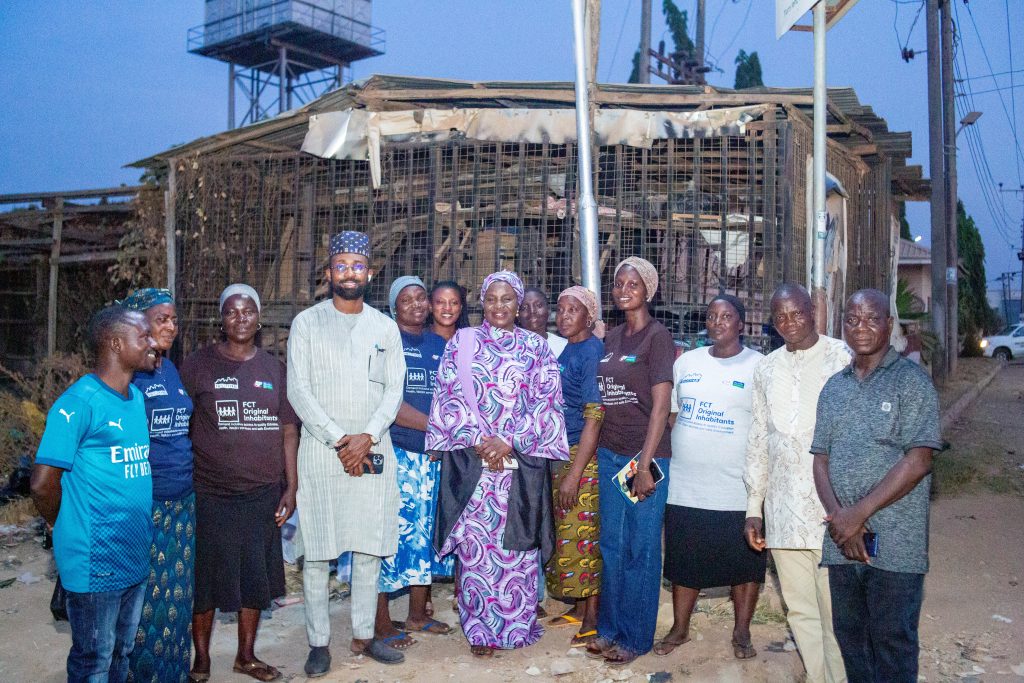
Through a partnership between HipCity Innovation Centre and the Abuja Women Urban Coalition (AWUC)—a grassroots group of women supported by HipCity and its Women Advisory—solar-powered street lamps were provided and installed across strategic points in Durumi 3. What followed was more than an infrastructure upgrade; it was a demonstration of community ownership, women’s leadership, and collective action translating directly into impact.
From Idea to Action: A Community-Led Process
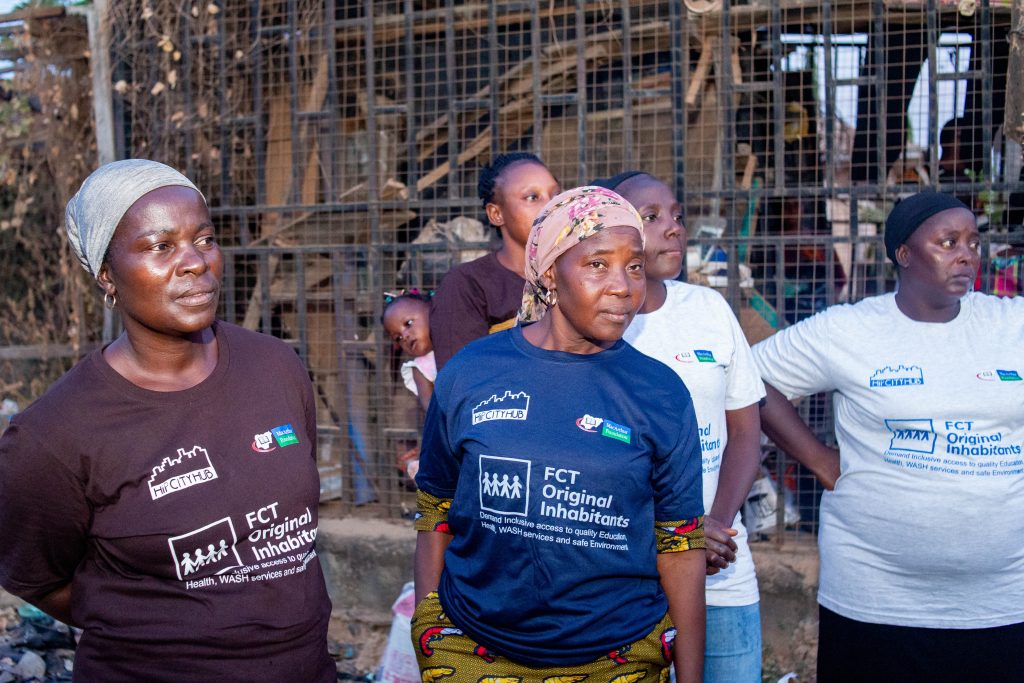
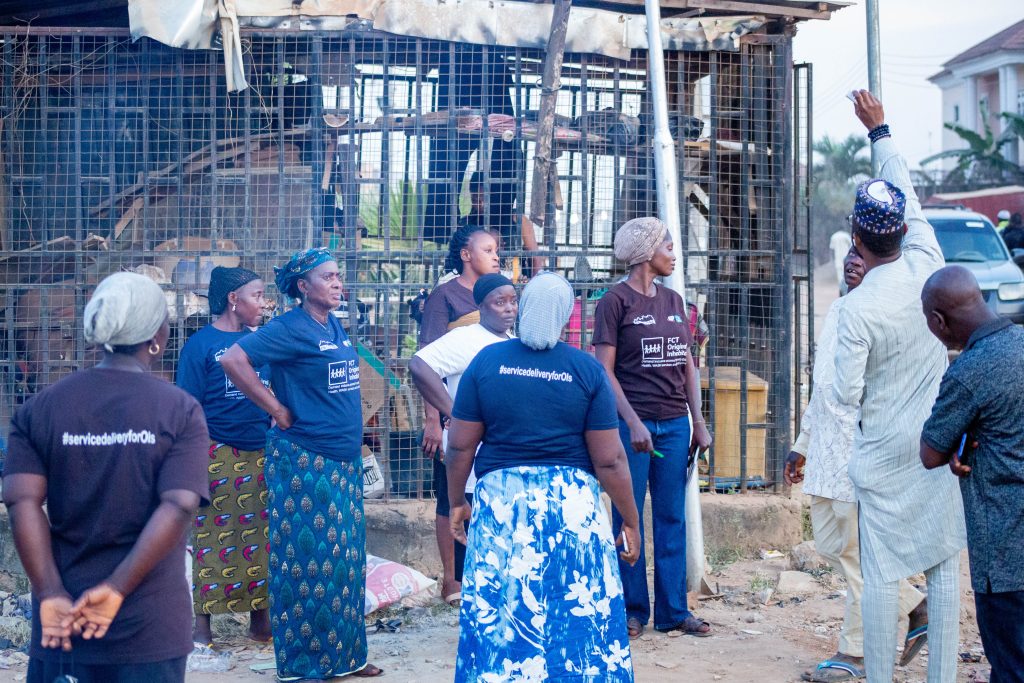
The initiative did not begin with equipment—it began with capacity. Women from Durumi 3, organised under the Abuja Women Urban Coalition, had previously participated in several HipCity-led trainings focused on urban rights, community organising, leadership, and practical advocacy. Equipped with these skills, the women took the lead in identifying a priority issue: the lack of street lighting and its direct effect on safety and income generation.
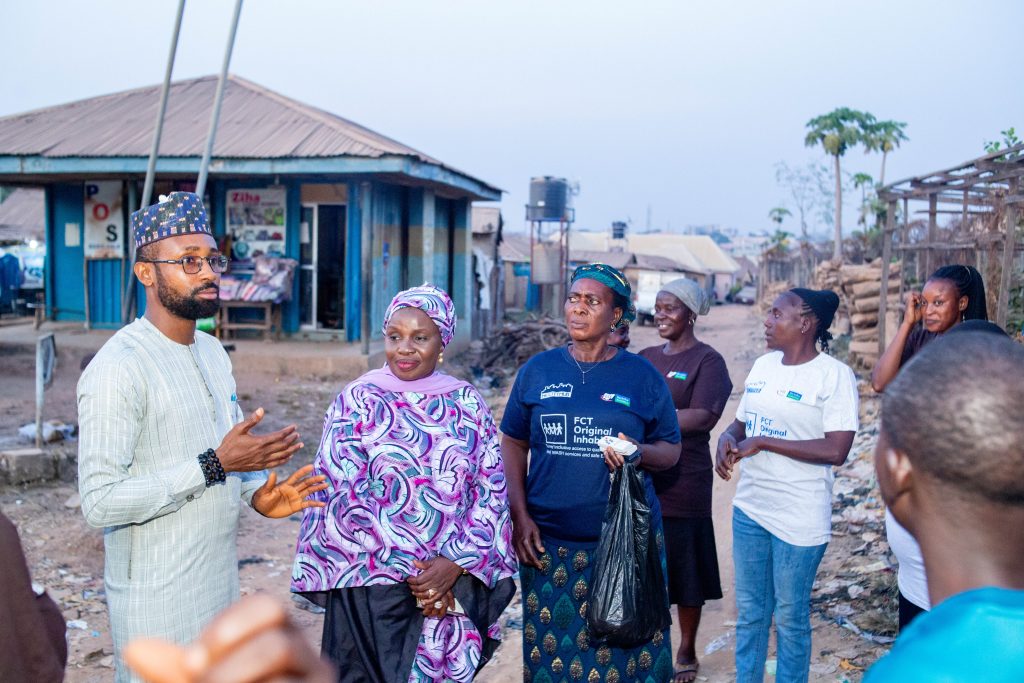
Rather than waiting for external intervention, the women mobilised internally. They went door to door, spoke with neighbours, traders, and local stakeholders, and crowd-funded community contributions toward the purchase of solar street lights. This process strengthened trust, built collective ownership, and ensured that the intervention reflected a shared community demand. Recognising both the commitment and credibility of this effort, the Women Advisory of HipCity Innovation Centre matched the funds raised, enabling the procurement and installation of the solar lamps. The result was a true co-investment—by the community, for the community, and with women at the centre of decision-making.
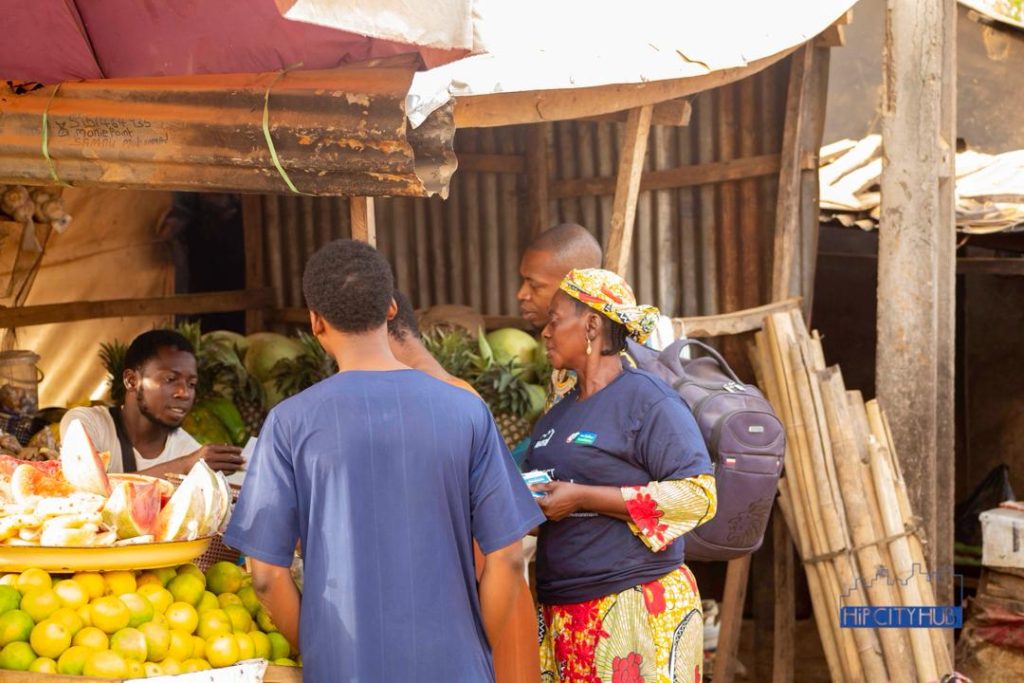
Durumi 3 woman crowdfunding from a trader for their project
Lighting More Than Streets: Impact on Safety and Livelihoods
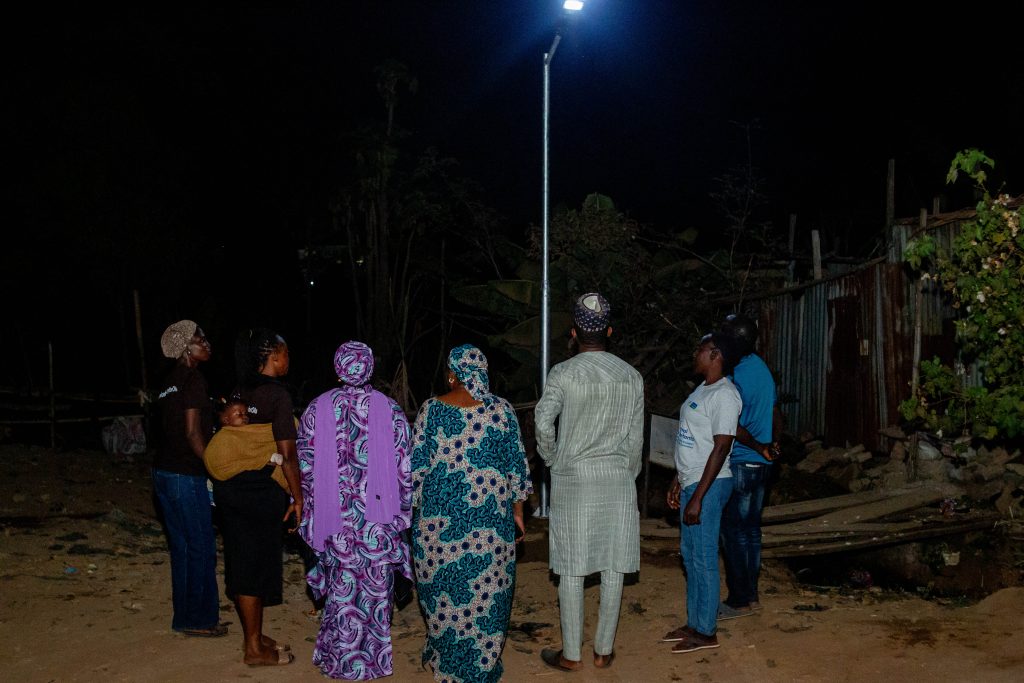
The immediate impact of the solar street lights has been tangible. Improved nighttime visibility has increased the sense of safety for residents, particularly women and girls who navigate the community after dusk. Paths that were once avoided (e.g Keke Park) at night are now accessible, and public spaces feel more secure.
For many women traders, the lights have also translated directly into economic opportunity. With safer and better-lit surroundings, women are able to extend their trading hours into the evening, increasing daily earnings and reducing the pressure to rush home before dark. In a community where small-scale trading is a critical source of household income, this change is significant.
Importantly, the use of solar technology ensures sustainability. The lights operate independently of the grid, reducing maintenance costs and ensuring consistent functionality in a city where electricity supply is unreliable.
Women as Leaders, Not Just Beneficiaries
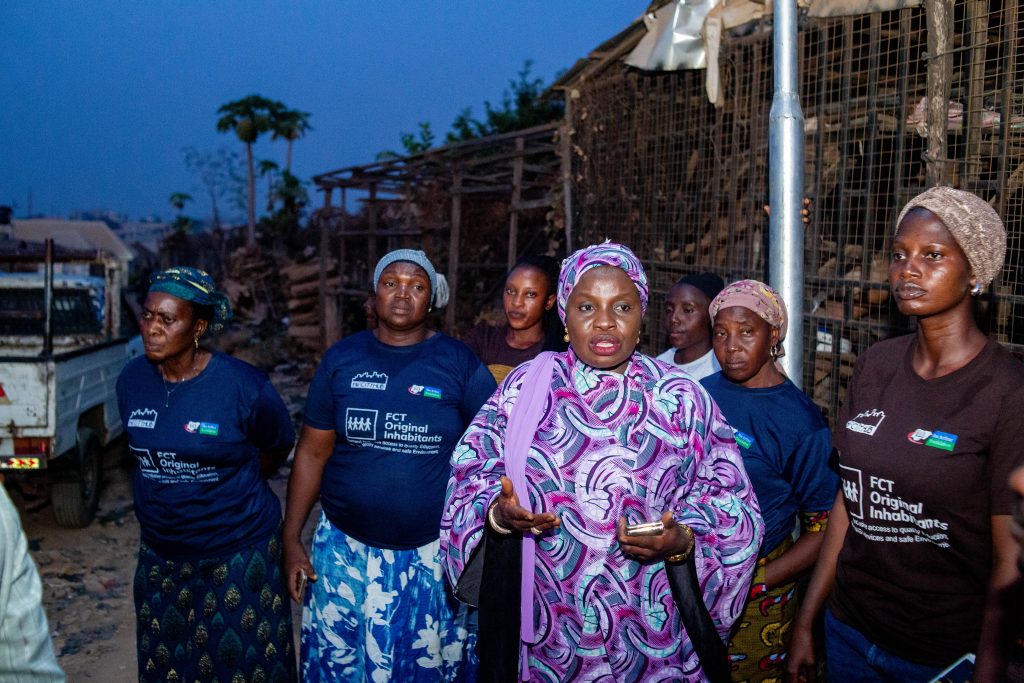
Perhaps the most profound outcome of this initiative lies in how it has reshaped perceptions of women’s roles in community development. The women of Durumi 3 were not passive recipients of aid; they were organisers, fundraisers, advocates, and stewards of the project.
By leading the crowdfunding process, engaging residents, and working alongside partners during installation, the women demonstrated practical leadership and accountability. This has strengthened their legitimacy within the community and reinforced the idea that women are capable of driving solutions to shared urban challenges. The project has also deepened solidarity among the women themselves—building confidence, reinforcing collective identity, and laying the groundwork for future community-led initiatives.
A Model Worth Scaling
The Durumi 3 solar street lighting initiative illustrates what becomes possible when local knowledge, women’s leadership, and enabling partnerships come together. It offers a replicable model for urban informal settlements: start with capacity building, prioritise community ownership, leverage co-funding, and focus on solutions that deliver both social and economic returns.
HipCity Innovation Centre remains committed to supporting women-led urban interventions that are practical, inclusive, and sustainable. As Durumi 3’s streets light up at night, they stand as a reminder that when women lead, communities thrive—and development becomes something done with people, not to them.
APPRECIATION
This initiative was facilitated by HipCity Innovation Centre and implemented in partnership with the Abuja Women Urban Coalition (Durumi 3 village unit) and the Women Advisory of HipCity Innovation Centre, with the active participation and contributions of the women and residents of Durumi 3 Community. Special appreciation the village head of Durumi 3 community and members of his cabinet for their open mindedness in embracing the efforts and contributions of the women.